
Commercial plumbing in the Monument area
Monument has retail and office centers along its main roads, light commercial space, medical offices and multifamily housing, and each use puts different loads on the plumbing. A restaurant fills a grease trap. A medical office runs sinks all day. An apartment building shares risers and water heaters among many tenants.
Commercial permits in Monument and Palmer Lake are handled by the regional building office, so confirm with the plumber who files the permit paperwork and which inspections apply to your job.
Safety note: A backed-up floor drain, a gas smell or a flooding mechanical room is a safety issue as well as a repair. Clear the area, shut off the affected supply if you can and keep customers out until it is made safe.
Services for businesses at a glance
| Need | Typical building | What the plumber does |
|---|---|---|
| Drain clearing and jetting | Restaurants, offices, retail | Clears main lines and floor drains |
| Water heater service | Salons, restaurants, apartments | Repairs or replaces large-capacity units |
| Leak detection | Any building | Finds hidden leaks before damage spreads |
| Grease trap service | Commercial kitchens | Cleans and checks traps and interceptors |
| Restroom fixtures | Offices, shops, schools | Repairs flush valves, sinks and urinals |
Tenant improvements bring new plumbing into leased space. A new sink for a break room, a floor drain for a treatment room or a relocated restroom needs drawings, permits and coordination with the landlord, and the plumber should confirm the scope before ordering parts.
Commercial systems differ from residential ones in size, pressure and the code that governs them. Ask whether the plumber has worked on buildings like yours.
Business down because of a plumbing fault?
Maintenance contracts
A maintenance plan trades a scheduled visit for fewer emergencies. The plumber walks the building, tests shutoffs, checks the water heater, clears slow drains and notes anything near failure.
- Survey the building. The plumber records fixtures, heaters, valves and drains and where each sits.
- Set a schedule. Visits are planned around the property and the season.
- Service and report. Each visit ends with a short note on what was checked and what needs attention.
- Plan repairs. Items that are wearing out are scheduled before they fail during business hours.
Where a tenant and an owner share a building, agree in writing who pays for which repair. Plumbing inside the suite and plumbing in the walls, risers and mechanical room often belong to different parties.
Documentation helps at renewal time. A log of visits, readings and repairs lets an owner show a lender, an insurer or an incoming tenant that the building has been looked after, and it makes the next plumber's job faster.
Property managers with several tenants find a written record useful, because it shows what was done and when.
Grease traps and commercial kitchens
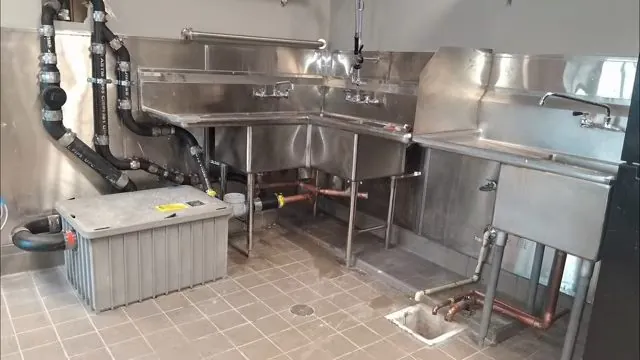
Grease traps and interceptors keep fats out of the sewer line. They fill with grease and food solids and have to be pumped and cleaned on a schedule. A neglected trap backs up into the kitchen or the building line and can draw a fine.
Kitchens depend on hot water and clear drains. The drain cleaning page describes jetting for stubborn lines, and the same methods apply to commercial lines.
Hot water is the other kitchen constraint. A dishwasher, a three-compartment sink and a mop sink can all pull at once during a rush, and a heater sized for a quiet hour runs short. Report when the water turns cool at peak, and the plumber can look at capacity and recovery.
Floor drains, prep sinks and dishwasher connections all need to be checked on a kitchen walk-through.
Leaks, water heaters and repair work
A leak in a commercial building can run for days before anyone sees it. The leak location page covers the methods used to find one, and those methods apply to larger piping runs as well.
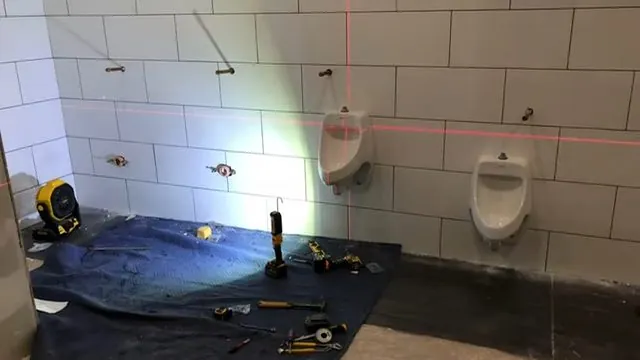
Restrooms see the heaviest use. Flush valves, urinal sensors, faucet aerators and supply stops wear out in sequence, and a short walk-through every few months catches a running fixture that is quietly adding to the water bill.
Large water heaters serve many fixtures. A failed unit takes down hot water for the whole building, and the plumber looks at the tank, the burners, the vent and the relief valve. Ask for the age and the model to be written down so the next visit starts with that history, and keep the shutoff valve for the heater clearly labeled for staff.
Pipe, slab and sewer problems in larger buildings follow the same steps as at home, with bigger pipes and more access issues. Burst pipes and sewer backups in a business also need cleanup, which the water damage page covers.
Multifamily, apartment, light industrial and cold storage buildings share risers, drains and process water among many users, so a plumber needs to know which units and lines are affected before shutting anything off.
Want fewer surprise repairs?
Commercial plumbing questions
What business owners and managers ask first.
What does a commercial plumbing maintenance plan cover?
A plan sets a schedule of visits for the items a building depends on: water heaters, backflow-prone fixtures, floor drains, grease traps and shutoff valves. The plumber checks each item, notes wear and flags what should be repaired before it fails.
Ask for the checklist in writing so you know what each visit includes and how often the items are seen.
How often does a restaurant grease trap need service?
The schedule depends on volume, the type of food and the size of the trap. A busy kitchen may need it cleaned often, and a light-use one less so. Local rules may set a minimum frequency.
A plumber can set a schedule after seeing how quickly the trap fills.
Can plumbing work be done outside business hours?
Often yes. Planned work can be scheduled after closing or on a slow day, so customers and staff are not disturbed. Urgent faults are handled as they arise.
Tell the plumber when the building is open, who has the keys and where the shutoffs are.
Talk through the building and the schedule
- Licensed and insured plumbers
- Same-day service when available
- 24/7 emergency dispatch