
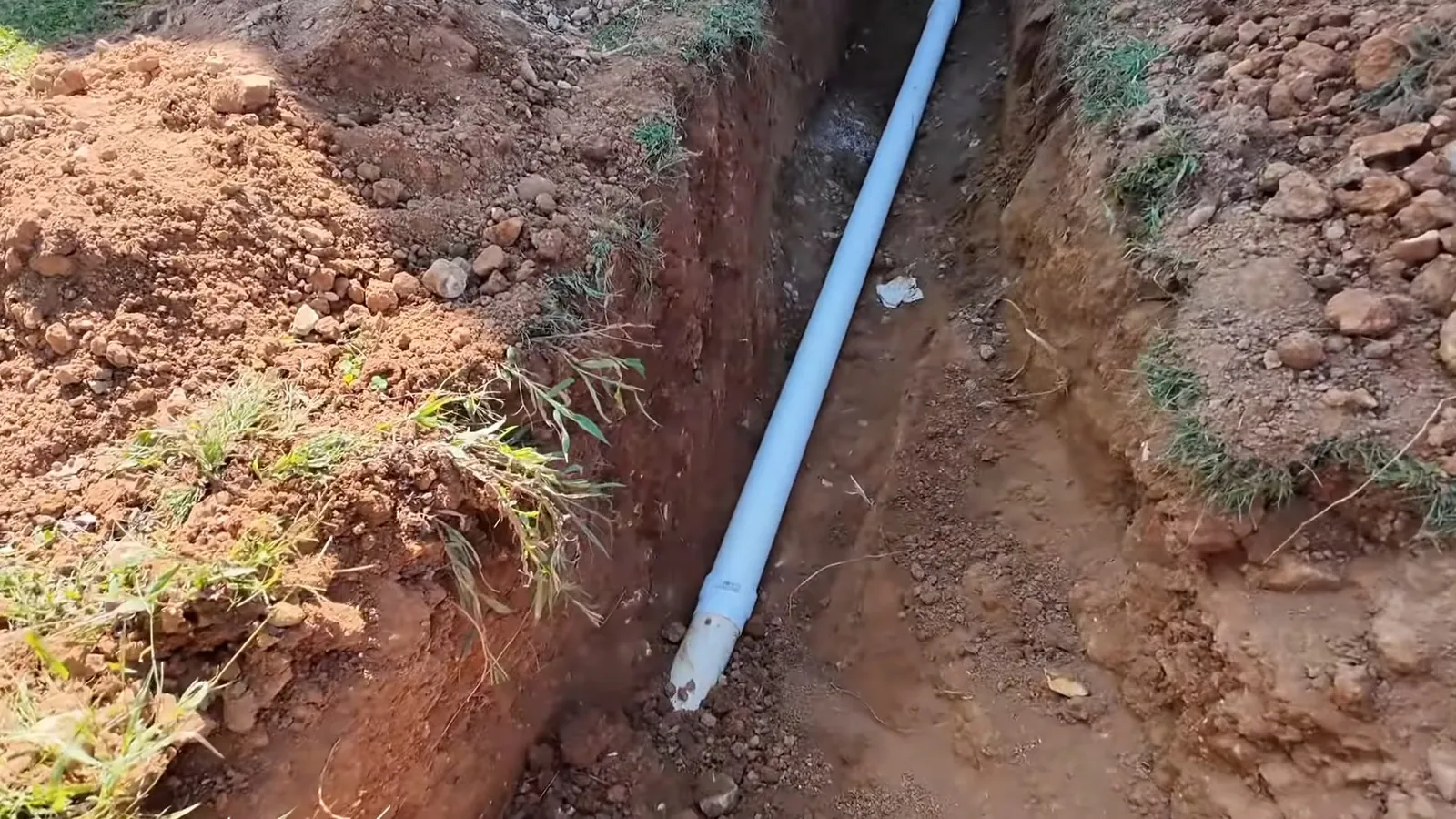
Signs the water line is leaking
A buried pipe hides its leaks, so the evidence shows up elsewhere. Watch for patterns around the yard and in the water bill.
- A soft, green or muddy patch above the line when the weather has been dry.
- A water meter that moves while every fixture is closed.
- A sudden rise in the bill with no change in how the house is used.
- Running-water noise heard while every fixture is shut.
- Pressure that dropped at once across every fixture.
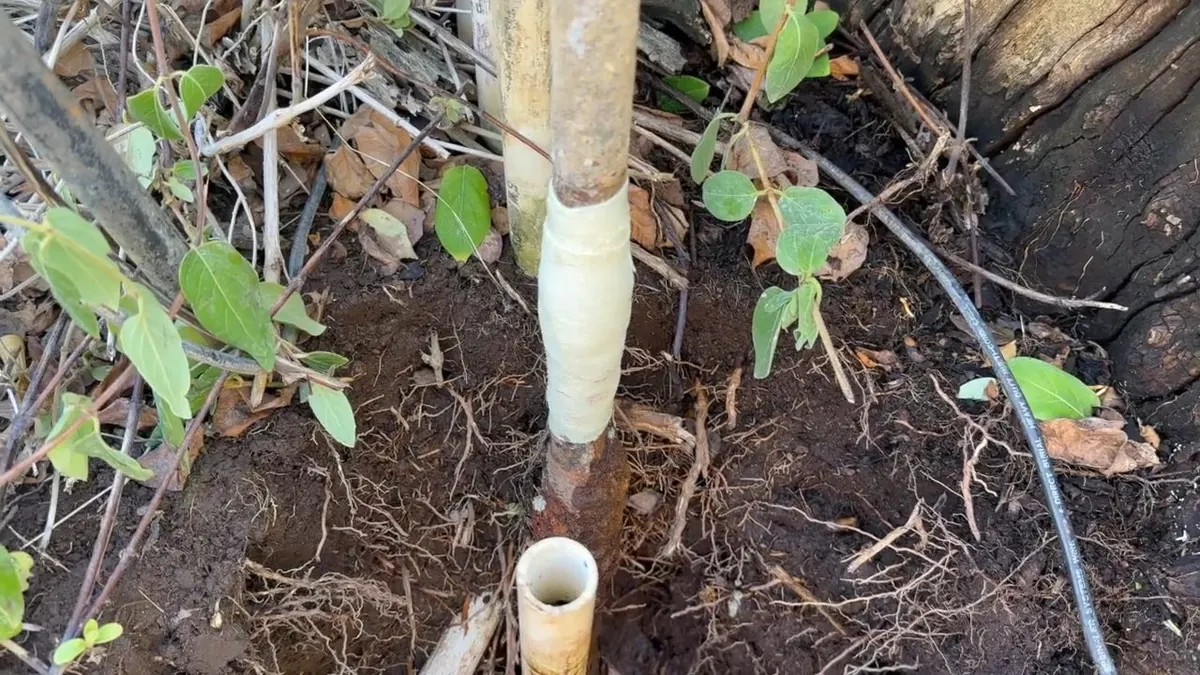
Safety note: Never dig near buried utilities on your own. Colorado 811 locates underground lines before an excavation, and a plumber should confirm the location before any trench is opened.
Water line repair or water line replacement
| What the plumber finds | Typical course | Why |
|---|---|---|
| One break in a line that is otherwise sound | Repair the section | A short fix restores the line |
| Multiple leaks or a corroded pipe along its length | Replace the line | More failures are likely soon |
| A line that is too narrow or the wrong material | Replace and resize | The new pipe fixes pressure and flow |
| A break at the connection to the meter | Coordinate with the provider | Part of the work may fall on their side |
Pipe material matters for the new line. Copper and PEX rated for buried water service are common, and the plumber chooses based on soil, depth and what the local office accepts. Pressure testing before backfill confirms that the new pipe holds.
Trenchless methods exist for some lines, and open trenching suits others. The choice depends on the yard, the depth and what lies above the pipe, such as a driveway or landscaping.
Wet ground or a spinning meter?
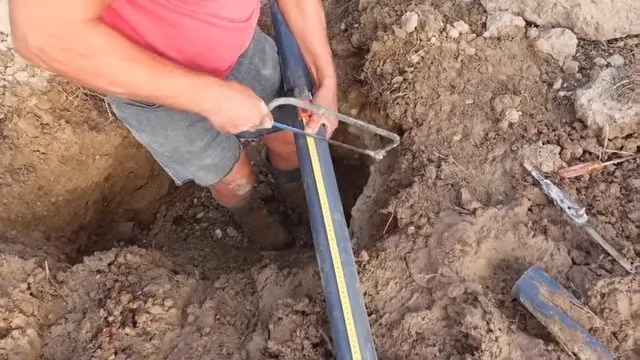
What a service line job involves
- Locate. The line and other buried utilities are marked before any digging.
- Expose and inspect. A trench or pit shows the pipe so the failure can be confirmed.
- Repair or replace. The damaged section or the whole line is swapped for new pipe rated for buried potable water.
- Test and backfill. The line is pressure tested, then the trench is filled and compacted.
Finding the leak first avoids digging the wrong spot. The leak detection page describes how a buried leak is pinpointed.
Pressure, the main shutoff and the meter
Water pressure problems are not always a leak. A failed pressure regulator, often called a PRV, can send too much pressure into the house or too little, and a stuck main shutoff may restrict flow even when it looks open.
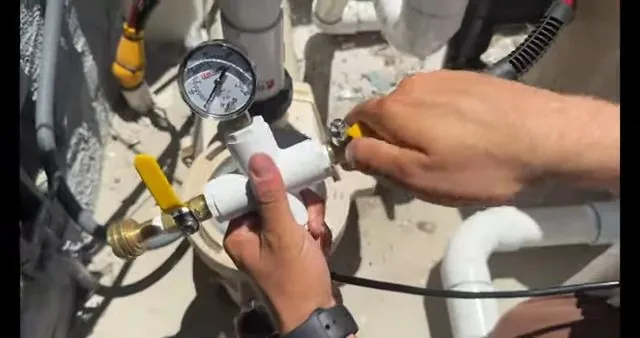
A pressure gauge on an outdoor hose bib gives a quick reading. High pressure strains fixtures and hoses, and low pressure suggests a restriction or a leak somewhere upstream. The plumber tests the supply, checks the valve and then decides what needs to change.
The shut-off valve on the line matters in an emergency, so make sure you know where it is and that it turns. A valve that has not moved in years can seize, and replacing it is part of many line jobs.
The meter itself belongs to the provider. If the meter box is cracked, flooded or full of dirt, or the dial looks damaged, report it to the provider instead of opening it yourself, because tampering can bring a penalty.
Where the town or district takes over
The water provider owns the main in the street and the meter. Which provider serves a property depends on where it sits, since the town and two districts run separate systems.
Check your bill to see which provider you have, and call it for anything on the street side of the meter.
When a leak sits close to the meter, expect some coordination. The plumber can repair the owner side, and the provider may need to shut the supply off at the curb stop or fix its own fitting. Having the account number ready speeds that call.
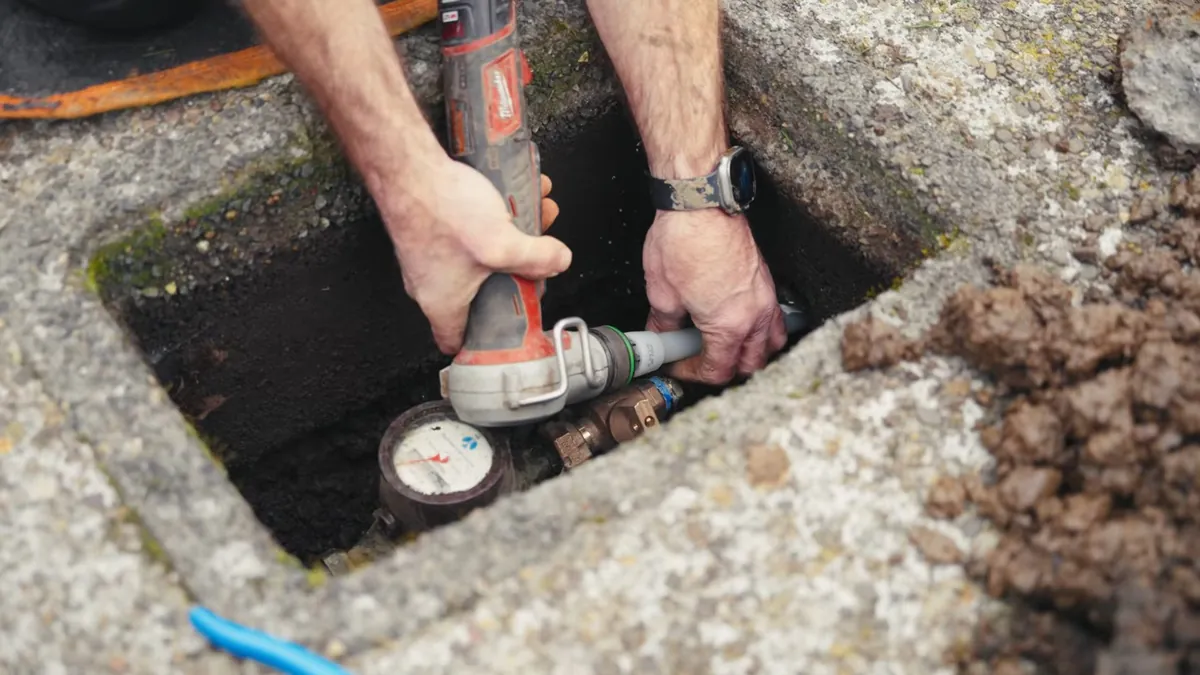
Pressure gone soft across the house?
Getting ready for the plumber
A few notes make the first visit shorter. Write down where the meter sits, when the pressure dropped and whether the bill changed. Clear access to the shutoff, and keep pets away from any open trench.
- Photograph the meter reading with all fixtures closed.
- Note any wet ground and how far it spreads.
- Locate the main shutoff and check that it turns.
- Have the water provider name and account details nearby.
Water line questions
What to ask before a service line is dug up.
How do I tell whether the leak is on my side of the meter?
Close every fixture and look at the meter. If the dial or low-flow indicator still moves, water is escaping somewhere past the meter. Then close your main shutoff and check again: if the meter stops, the leak is inside the house, and if it keeps moving, the leak is in the line between the meter and the house.
The water provider handles lines on its side of the meter, so call it if the leak is before the meter.
A neighbor replaced their service line. Does mine need the same?
Not necessarily. Each line has its own age, material and soil conditions. Ask the plumber to test the pressure and inspect the pipe before assuming a full replacement is needed.
A short section may be repairable, while a line with several failures is a better case for replacement.
Where is my main shutoff and what should I do if it will not turn?
The main shutoff is usually where the line enters the house, in a basement, a utility room or a crawl space, with a second valve near the meter. Turn each one slowly to learn where it sits and whether it moves.
A valve that is stuck or leaks at the stem should not be forced. A plumber can replace it, which makes every later repair safer.
Who is responsible for the line in my yard?
In general, the property owner is responsible from the meter or the curb stop to the house, and the utility handles the main and the meter. The exact dividing line depends on the provider, so confirm it with yours.
Which provider serves a Monument address depends on its location, and each runs its own system.
Settle which pipe is yours before digging
- Licensed and insured plumbers
- Same-day service when available
- 24/7 emergency dispatch