
First, confirm what your house is built on
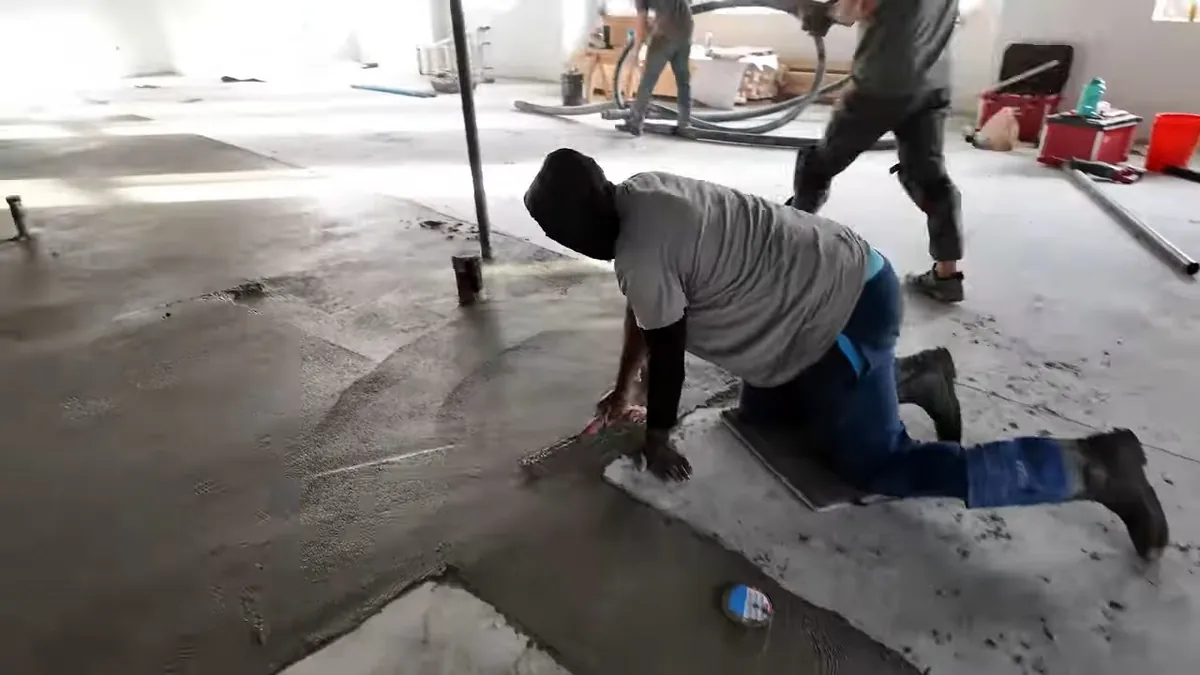
Not every home has a concrete slab floor, and the right next step depends on what is under yours. Homes differ, and a leak is located and repaired differently over a slab, a crawlspace or a basement.
- Look for a basement stairway, a crawlspace hatch or a garage floor that sits level with the living space.
- Check the original plans or the inspection report from the purchase, which usually name the foundation type.
- Ask the plumber at the start of the visit. The answer changes which tools are used and where the access point goes.
If the leak turns out to be in a wall, a crawlspace or an exposed run, the general leak detection page covers that process.
Symptoms that point to a leak under a concrete floor
Slab leaks are quiet for a while. They show up as small changes: a bill that creeps up, a floor that feels different, water that takes longer to turn hot.
| Sign | What to do now | What can wait for a scheduled visit |
|---|---|---|
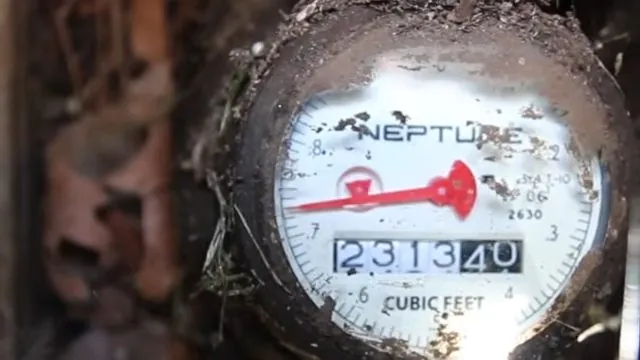
| Meter keeps moving with everything off | Close the main shutoff and confirm the meter stops | Detection once the water is off and the floor is dry |
| Warm or hot spot on the floor | Lower the water heater setting and note where the spot is | Locating the line with thermal tools |
| Sound of running water at night | Check toilets and the water heater first | Acoustic tracing along the floor |
| Damp carpet, lifting tile or a musty smell | Move belongings off the area and photograph it | Moisture mapping, then the repair decision |
| Low pressure at hot taps only | Run a hot tap and compare with cold | A pressure test on the hot line |
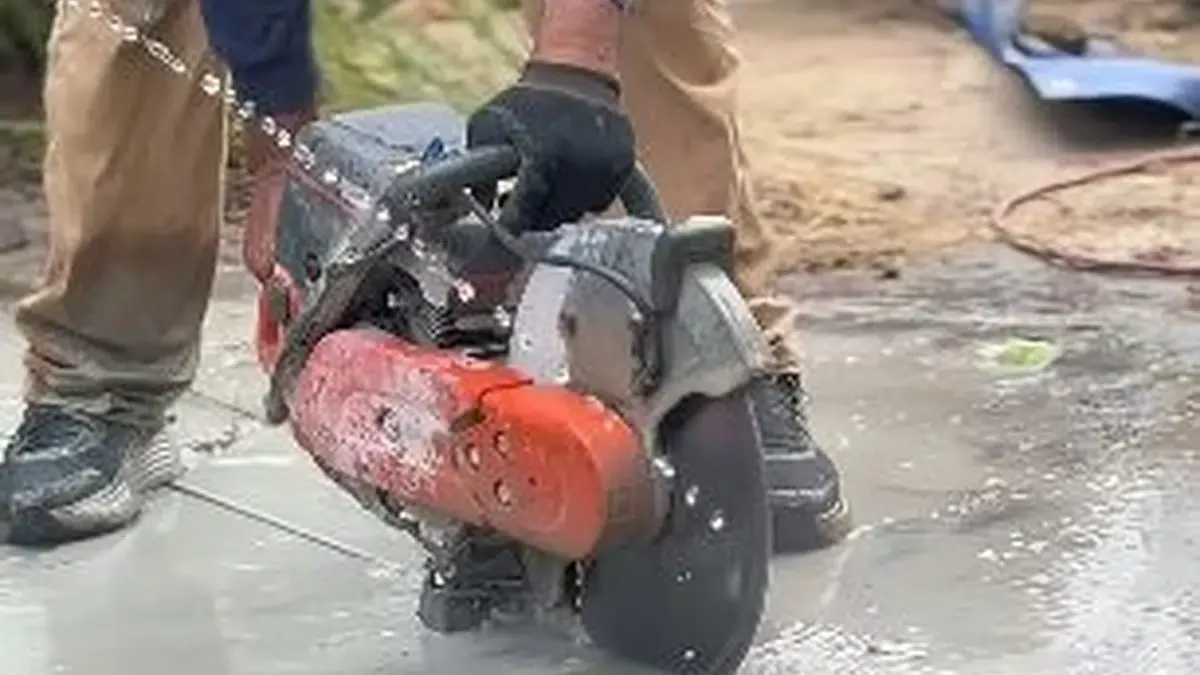
Safety note: Never drill or cut into a floor to look for a pipe. Electrical conduit and other lines can run in the same area, and a cut line is a bigger problem than the leak.
Water has to travel a long way to reach carpet or tile, so by the time floors show damage the leak has often run for some time. If it has already soaked flooring, the drying and removal page describes removal and drying.
Warm floor or a hiss under the concrete?
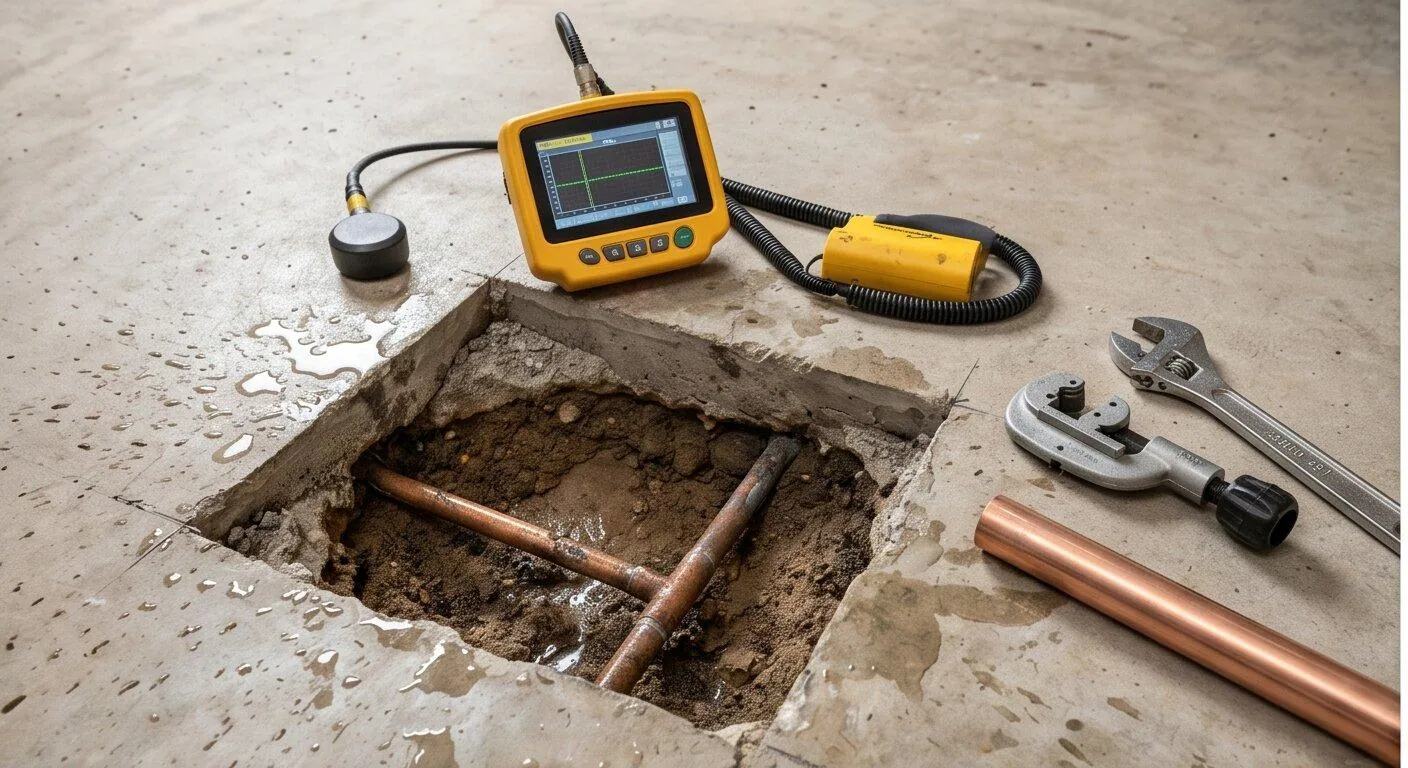
Locating a slab leak without breaking the floor
Detection decides how big the repair is. The goal is a spot the size of a dinner plate, not a trench across the room.
- Isolate. Water is shut to the house and the meter is read, then each supply line is isolated until only one still loses pressure.
- Listen. Acoustic equipment picks up the sound of water escaping, and the sound is loudest directly above the leak.
- Image. A thermal camera shows a warm trail on a hot line, which marks the route of the pipe under the floor.
- Confirm and mark. A pressure test confirms the line is leaking, and the spot is marked so the opening is small and in the right place.
Ask the plumber to show the readings that led to the mark. A good detection visit ends with a location you can see, not a guess.
Repair options: reroute, tunnel or epoxy lining
Three methods cover most slab leaks, and the right one depends on how many leaks the line has, how worn the pipe is and what lies above it.
Reroute the line
The leaking section is abandoned and a new pipe is run through walls or the attic. It avoids cutting the floor and suits a line that has failed before.
Tunnel to the pipe
Access is dug from outside the foundation to reach the pipe from below. It leaves the floor intact but needs outdoor space and underground checks.
Epoxy lining
A coating is applied inside the pipe to seal leaks. It suits some pipes and not others, and the plumber should explain why it fits yours.
A line with repeated failures often ends as a rerouted run, which is part of the repiping work the plumber can lay out. Insurance questions come up too. A plumber's written findings and photographs help when you talk to your insurer, but coverage is the insurer's decision. For pricing questions, the cost page explains what changes a quote without printing figures.
Ready to compare repair methods?
What a leak under the floor does to concrete and finishes
Water that escapes under a slab does not stay put. It can soften the soil beneath, lift flooring, loosen adhesive and feed mold in the layers above. How much movement follows depends on the soil and how long the leak ran.
Soil that swells when wet makes every hidden leak a little more consequential. A plumber can locate and repair the pipe, but whether a floor has moved is a question for a structural engineer, and a plumber who sees cracks should say so and suggest that step.
If a floor leak has to be shut off right now, the round-the-clock dispatch line is the faster route.
Slab leak questions answered
What people ask when a leak may be under the floor.
What causes the warm spots and sounds that suggest a slab leak?
Picture a hallway where one patch of tile feels warm in winter and the water heater runs more than it should. A hot water line that leaks under the floor warms the concrete above it, and the heater keeps refilling to replace what escapes.
The sound of running water when every fixture is off comes from pressurized water escaping through a small hole. Warmth, sound, a damp spot and a rising bill together point to a leak that needs locating, but only testing confirms where it is.
What happens if I wait after noticing slab leak symptoms?
Do now: close the main shutoff if water is visible or the meter will not stop, and turn the water heater to its lowest setting if the warm spot is on a hot line. Photograph any damp flooring and note when you first saw the sign.
Can wait a short time: scheduling the detection visit when the floor is dry, the meter shows a slow change and no water is surfacing. A small leak still wets whatever is around it every hour, so waiting weeks is a gamble with the flooring.
Why does a slab leak keep coming back after a repair?
Usually one of two reasons. The first is that the repair fixed the leak that was found while other weak spots in the same run were left alone. The second is that the pipe itself is worn, so a new failure appears a few feet away.
If a line has leaked more than once, ask the plumber whether the run should be rerouted instead of patched again, and ask for a pressure test after the work to confirm the line holds.
Floor leaks do not fix themselves
- Licensed and insured plumbers
- Same-day service when available
- 24/7 emergency dispatch