
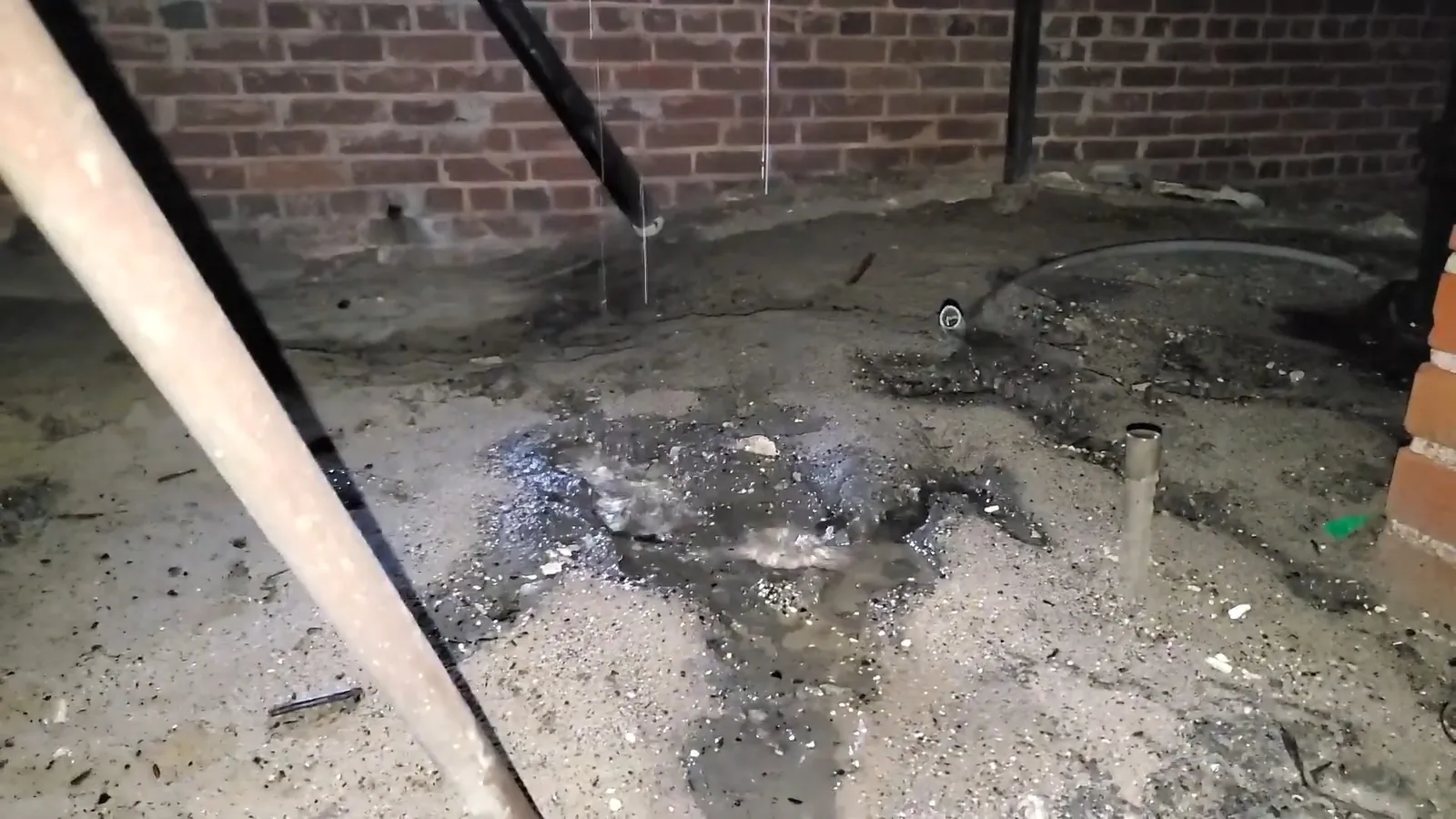
The first hours after a water loss
Water travels. It moves through floors, down walls and into insulation, and wet drywall and carpet pad can start to break down within a day or two. The goal in the first hours is to stop the source and get removal started.
- Stop the water. Close the main shutoff or the fixture valve. Sewage or outside flooding is handled differently from a clean supply line.
- Make the area safe. Switch off power to wet rooms from the panel if you can reach it dry, and stay out of standing water near outlets.
- Document the loss. Photograph and video the damage, the source and the contents before anything is moved.
- Call for removal. Bring in a crew with pumps and extractors so the standing water comes out quickly.
Safety note: Standing water and electricity are a dangerous mix. Do not enter a flooded basement if water is near outlets, appliances or the panel. Wait for the power to be cut off.
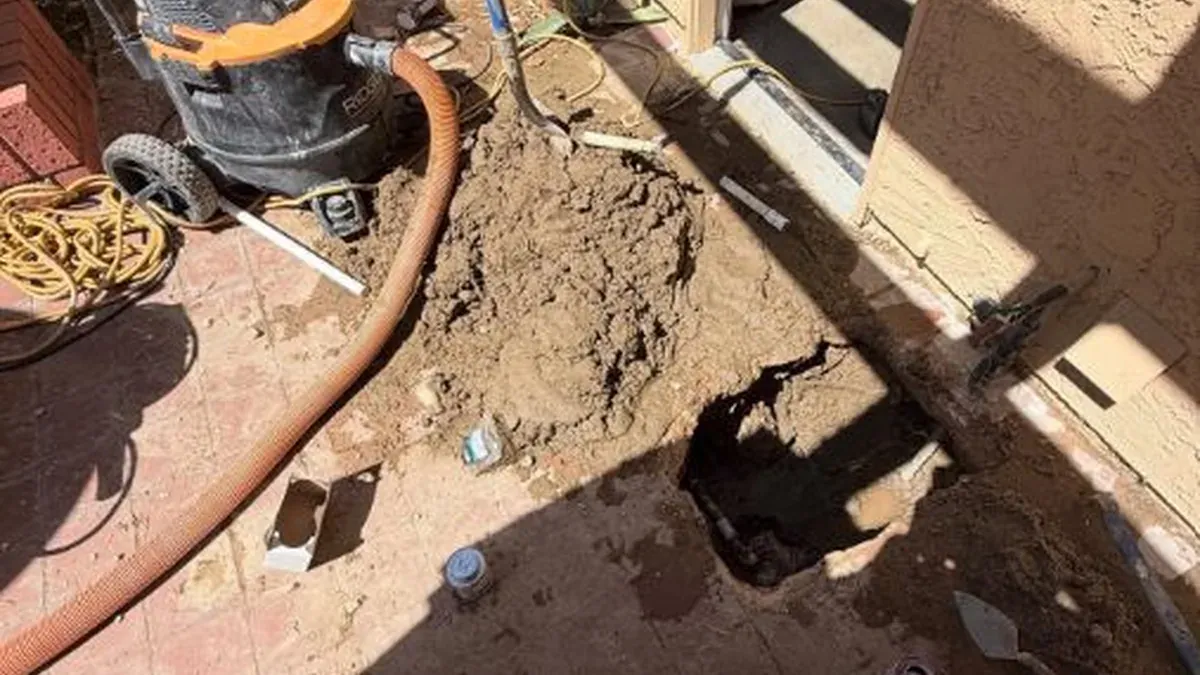
Water extraction and removal
Extraction means getting the bulk water out. Submersible pumps handle deep water, and truck-mounted or portable extractors pull water out of carpet and flooring. The faster it comes out, the less moisture the structure absorbs.
Clean supply water from a broken pipe is the simplest case. Water from a drain or a sewer line, or from outside, carries contamination and calls for protective gear and different handling.
- Pumps and extractors remove standing and absorbed water.
- Wet carpet pad and soaked insulation are usually removed.
- Contaminated materials are bagged and disposed of properly.
- Remaining moisture is mapped with a meter before drying begins.
Water standing or spreading in the house?
Flooded basement, crawl space and whole-house flooding
The source and the depth change the job. A shallow leak in one room is not the same project as a basement with feet of water.
| Source | Water category | What changes |
|---|---|---|
| Broken supply line or leaking appliance | Clean water at first | Fast extraction usually saves more material |
| Sewage backup or drain overflow | Contaminated | Porous materials come out and surfaces are cleaned |
| Groundwater or surface flooding | Contaminated | Soil and debris are in the water, so handling is stricter |
| Roof, ceiling or HVAC leak | Clean to gray | The source above has to be found and fixed first |
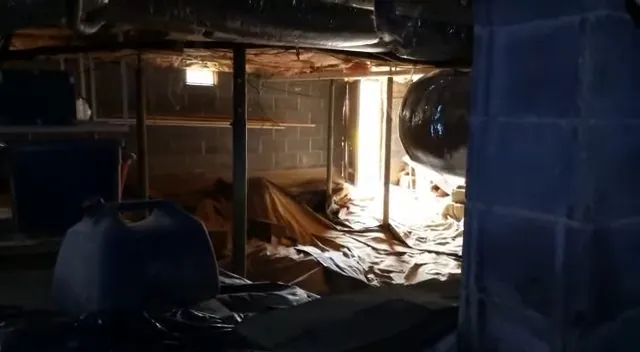
A crawl space or a basement can hold water long after the visible flooding ends, so the crew checks hidden areas as well as the visible floor.
Sewage backup cleanup
A backup carries bacteria and does not wait. The line has to be cleared first, which the sewer backup page and the drain cleaning page cover, and then the affected area can be cleaned.
Porous materials such as carpet, pad and drywall that touched sewage are normally removed. Hard surfaces are cleaned and disinfected, and the area is dried before anything is rebuilt.
Keep children, pets and anyone with a weak immune system out of the area until it is cleaned. Wear gloves and boots if you must enter, and wash well afterward.
Burst pipes and plumbing leak damage
A broken supply pipe between the meter and the house is a likely source of a flooded yard or basement, and the service line page explains who owns which section.
A burst pipe can flood a room in minutes. After the water is shut off, the burst pipe page explains how the failed section is fixed, and the water removal side begins at once.
A slow leak behind a wall or under a floor is a different problem. Hidden damage shows up as stains, odor or warping. A leak under a concrete floor is its own case, and the slab leak service page explains it. Finding any hidden source before walls are opened is the job described on the hidden leak page.
Leaks from non-plumbing sources, such as the roof, a ceiling, an AC unit or an irrigation line, follow the same drying steps. The source belongs to another trade and has to be repaired before the drying can hold.
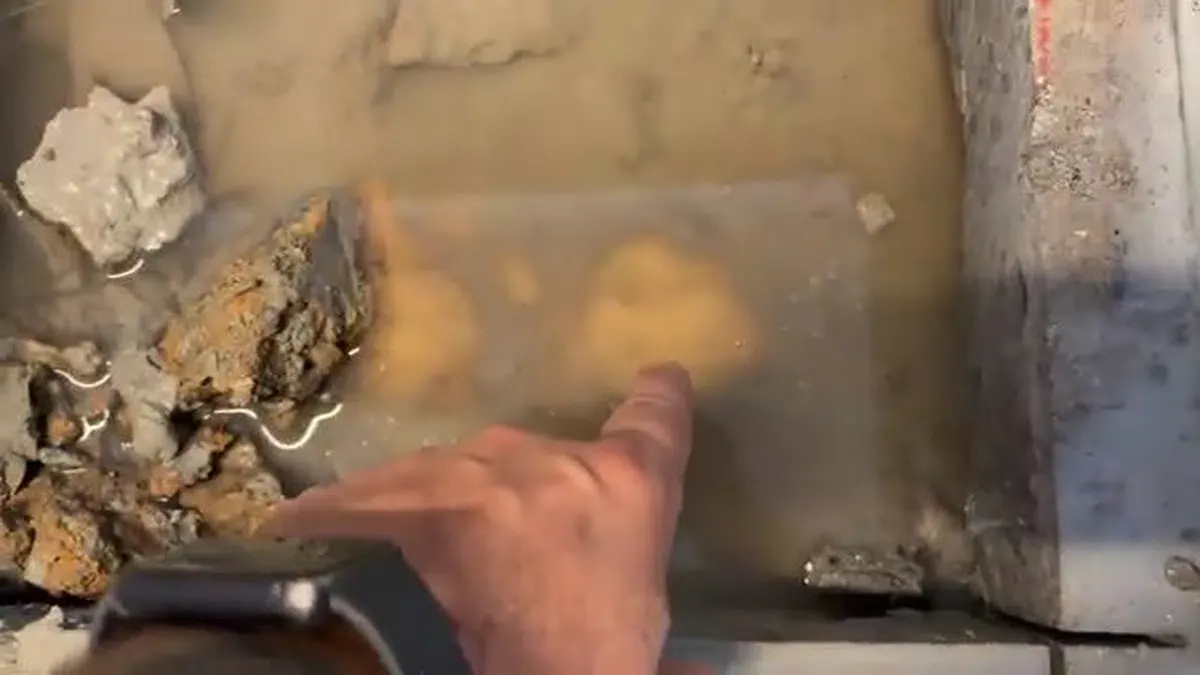
Need the loss assessed and documented?
Damage assessment and major loss inspection
An assessment records what is wet and what is not. The crew uses a moisture meter and sometimes a thermal camera to trace water through walls, floors and ceilings, then writes a scope of work and a plan. A major loss inspection applies the same method to a large or vacant property and adds a fuller written record.
Notes about when the leak started and who was told are as useful as the readings, and a plumber can describe the failed part, as the tank heater page does for a failed tank.
What happens on a job
A typical job moves through four stages, and the crew records readings at each visit.
- Inspect and measure. Moisture readings and photos show how far the water went.
- Remove and extract. Standing water and ruined materials are removed.
- Dry. Air movers and dehumidifiers run until readings reach normal levels.
- Verify. Final readings and photos document that the structure is dry.
Each stage ends with photos and readings, so the owner and the insurer can see what was wet, what was removed and when the structure reached normal levels.
Drying equipment, flooring and carpet
Air movers push air across wet surfaces. Dehumidifiers pull moisture out of the air so it does not settle back into the materials. Together they dry a room faster than open windows can, and the crew checks the readings each visit.
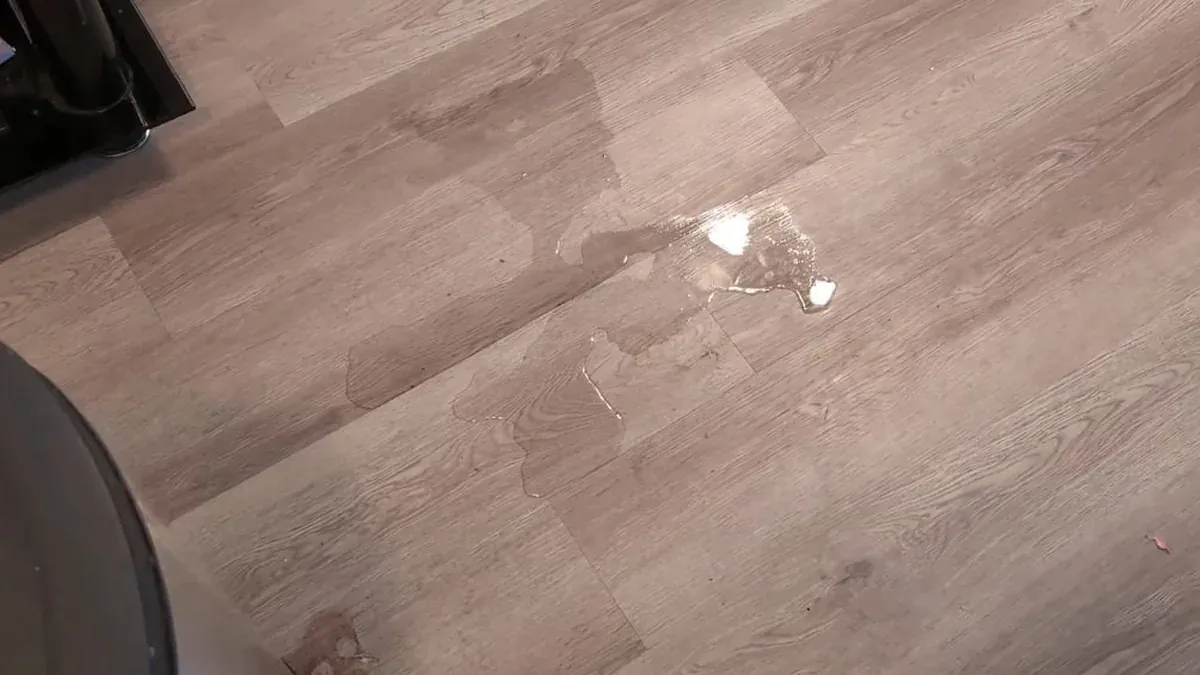
Hardwood can cup and buckle when it takes on water, and drying it slowly can save it. Carpet may be saved if the water was clean and removal was fast, though the pad underneath is often replaced.
Laminate and vinyl plank tend to swell or lift at the seams. Wet insulation under a floor can hold water for weeks, so the crew checks beneath the surface and not only the top.
Mold testing and mold remediation
Mold needs moisture and time. Materials that stay wet for more than a day or two are at risk, and a musty smell or visible spotting is a reason to look.
Testing and inspection find out whether mold is present and how far it spread. Remediation and removal then deal with the affected materials. Rules on who may do mold work differ by place and change over time, so ask any company what credentials, training and insurance it holds and get the scope in writing before work starts.
Fixing the moisture source comes first. Mold removed from a wall that is still wet will come back.
Insurance claims and loss documentation
Photos before cleanup, moisture readings, a written scope and receipts form a record that the insurer will ask for. Keep damaged items until the adjuster has seen them, unless they are unsafe to keep.
Condo and apartment losses involve neighbors and associations, so find out who owns the source and who is responsible for each layer. Commercial losses follow similar steps at a larger scale, and the commercial service page describes how business properties are handled.
Basement waterproofing and foundation inspection are separate trades, and this page does not cover them.
Storm, rain and river flooding are mostly outside the scope of a plumber. The drying steps are the same, and the insurer will decide how the cause is classed.
Restoring a building after fire, smoke or soot falls to another trade, and this page does not cover it.
Water damage questions
Callers ask about timing, insurance and what can be saved.
What should I do before help arrives?
Do now: stop the source if you can, such as the main shutoff for a broken pipe, and switch off power to wet areas if it is safe to reach the panel. Move valuables and small furniture out of the water.
Can wait: pulling up flooring and tearing out drywall. Take photos first, and let the crew decide what comes out.
How long does it take to dry a house?
It depends on how much water came in, what it soaked and the conditions inside. Small, clean losses can dry in a few days. Larger ones take longer, and the crew checks moisture readings each visit until the materials are dry.
Drying is finished by readings and not by the calendar, so ask what readings will be taken and when.
Will insurance cover the damage?
That is a question for the insurer and depends on the policy and the cause. Sudden pipe bursts are treated differently from slow leaks or flooding from outside.
Photos, moisture readings, a written scope and receipts all help the claim. The plumber and the crew can supply their findings.
Do I need mold testing after a leak?
Not always. Materials that dried within a day or two usually do not grow mold. A musty smell, visible growth or a leak that sat for days is a reason to have the area assessed.
Testing can show whether mold is present and where. It does not by itself remove anything.
Does this cover fire and smoke damage?
No. Cleaning up smoke and soot belongs to a different trade, and this page deals with water removal and drying alone.
A fire that involved water from hoses can still leave wet materials, and the drying side of that job fits here.
Start the drying while materials can be saved
- Licensed and insured plumbers
- Same-day service when available
- 24/7 emergency dispatch