
Running, clogged and leaking toilets
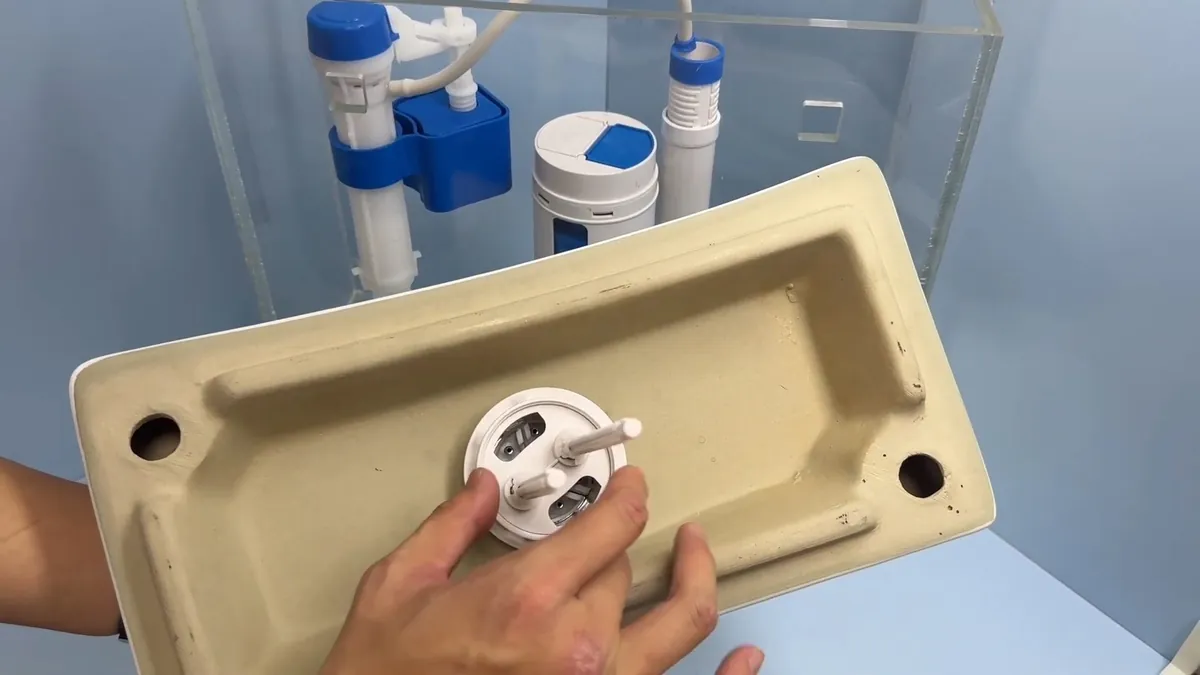
Toilets fail in a few predictable ways, and each has a signature.
| Symptom | Likely cause | Typical fix |
|---|---|---|
| Hissing or refilling without a flush | Flapper or fill valve not sealing | Replace the flapper or valve |
| Water seeping around the base | Failed wax ring or loose bolts | Reset the toilet with a new seal |
| Weak flush | Clogged rim jets or low tank water | Clean jets and adjust the water level |
| Repeated clogs | Partial blockage or a worn flush mechanism | Auger the line and inspect the parts |
Safety note: Water around a toilet base is a leak and may be sewage. Keep children and pets away, wear gloves when you wipe it up and shut the supply valve behind the toilet until a plumber has looked.
Faucet repair and replacement
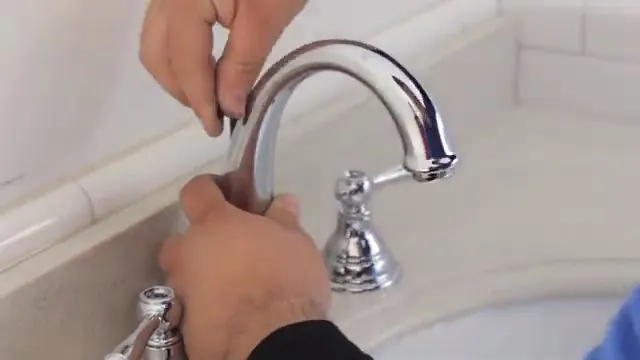
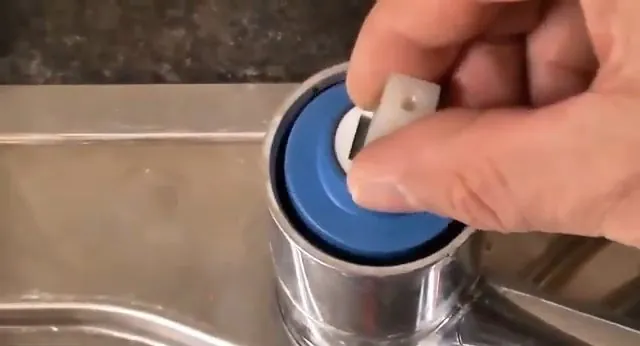
Faucet drips come from worn cartridges, washers or seals. The plumber shuts off the supply, takes the faucet apart and replaces the failing part. Parts vary by brand, so having the make on hand helps.
Replacement fits when the faucet is corroded, the finish is flaking or a repair part is no longer made. Installing a new one also gives a chance to replace the supply lines and the shutoff valves at the same time.
- Match the number of holes in the sink or counter.
- Choose a finish that matches the other fixtures.
- Replace the braided supply lines when the faucet is replaced.
- Ask whether the old shutoff valves should be changed too.
Fixture leaking or running nonstop?
Kitchen sink, bathroom sink and vanity
Sinks leak at the drain, the supply connections or the faucet body. The cabinet below tells the story, so open it and look for damp wood, a dripping trap or corroded valves.
A slow kitchen drain, a gurgling sound or a bad smell can point to the trap or the line behind it. A plumber can clear the sink and then check whether the problem lies deeper in the system.
Garbage disposals share the kitchen sink space, and the garbage disposal page covers jams, leaks and replacements.
Tubs, showers and shower valves
Tubs and showers lose temperature control when the valve cartridge wears, and they drip when the seals fail. A shower that runs hot and cold on its own is a valve problem and not a thermostat problem.
- Shut off the water. The supply is closed at the fixture stop or the main.
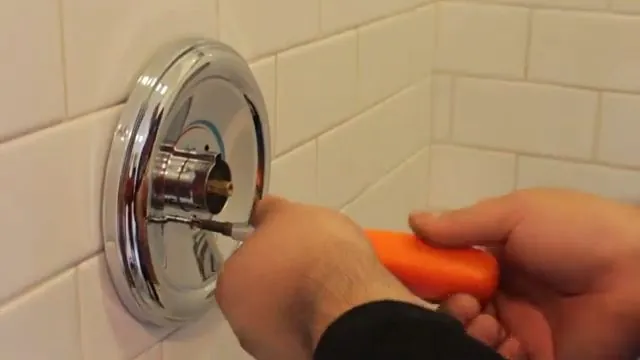
- Remove the trim and handle. The plumber exposes the valve behind the wall plate.
- Replace the cartridge or valve. Worn parts are swapped, or the whole valve if the body is damaged.
- Test the flow and temperature. The water is turned on and the shower is run hot and cold.
A stain on a ceiling below a bathroom suggests a leak at the tub, the drain or the valve, and it should be looked at promptly.
Installing and replacing fixtures
New fixtures go in during remodels as well as repairs. A rough-in sets the pipes and drains where the fixture will sit, and the finish plumbing connects the faucet, toilet or sink once the walls and floors are done.
Remodels bring their own order of work. Plumbing is roughed in before the walls close, fixtures are set after tile and cabinets go in, and a plumber who sees the plans can flag drain slopes and valve access early.
Toilet replacement includes removing the old unit, scraping the flange, setting a new wax ring and tightening the bolts evenly. A wobbly toilet or a damaged flange needs fixing before the new unit is set.
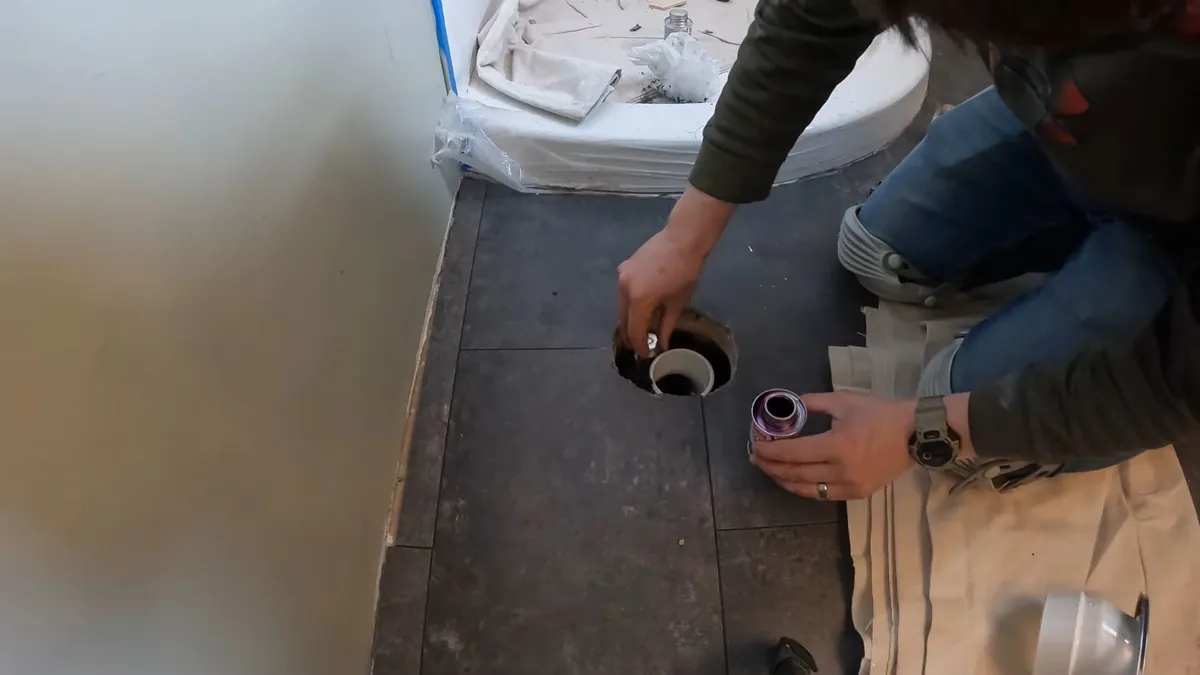
Specialty jobs include bidets and filtered-water faucets. Each needs the right supply and drain connection, and the plumber checks for leaks before leaving.
Appliance hookups for a washer, a dishwasher or an ice maker need a shutoff valve, a supply line and a drain or standpipe that suits the machine, and the plumber tests each connection under pressure.
Larger specialty installs include an ADU kitchen or bath, a wet bar, a laundry room, a tub-to-shower conversion and a toilet relocation. These involve moving drains and vents, so they come with permits and a rough-in inspection.
An outdoor faucet, or hose bib, on the outside wall is a fixture too. A dripping spigot or one that leaks inside the wall when the hose is attached usually needs a new washer, a repair or a frost-proof replacement, and the shutoff inside the house should close fully before the first freeze.
Shutoff, supply and angle valves sit under the sink and behind the toilet. Replacing a failed one is a short job and a good idea during any fixture work, because an old valve that will not close makes later repairs harder.
Replacing a faucet or toilet soon?
Fixture repair questions
Quick answers on toilets, faucets and valves.
Why does my toilet keep running?
The usual cause is a flapper that no longer seals, a fill valve that does not shut off or a chain that is too tight or too loose. Water leaks from the tank into the bowl, and the fill valve refills it over and over.
Try this: lift the tank lid, put dye or coloring in the tank and leave it ten minutes untouched. If the dye reaches the bowl, the flapper is the leak.
Should I repair or replace a leaking faucet?
A drip from the spout is often a worn cartridge or washer, and a repair fixes it. If the faucet is old, corroded or the finish is failing, a new one is often as quick to fit as a repair.
A leak at the base or under the sink may point to supply lines or a cracked body, and the plumber can say which after looking.
What does a plumber check on a clogged toilet?
The plumber tests the flush, plunges or augers the trap and looks for a pattern. A toilet that clogs once is a nuisance. One that clogs every few days may have a partial blockage in the drain or a venting problem.
The drain cleaning page covers deeper line problems.
Can a plumber fix a shower that will not hold temperature or drips?
Yes. A shower that swings hot and cold or drips from the head usually has a worn cartridge or seals in the valve behind the wall plate. The plumber replaces the part, or the whole valve if the body is damaged.
Showerheads that spray unevenly are often clogged with mineral scale and can be cleaned or replaced.
How do I know my shut-off valves still work?
Turn each valve slowly to the closed position and check that the flow stops. Old valves can seize or drip when moved, so be gentle.
If a valve will not close fully or leaks at the stem, it should be replaced, since you will need it to work during any repair.
Stop the drip before it turns into damage
- Licensed and insured plumbers
- Same-day service when available
- 24/7 emergency dispatch