
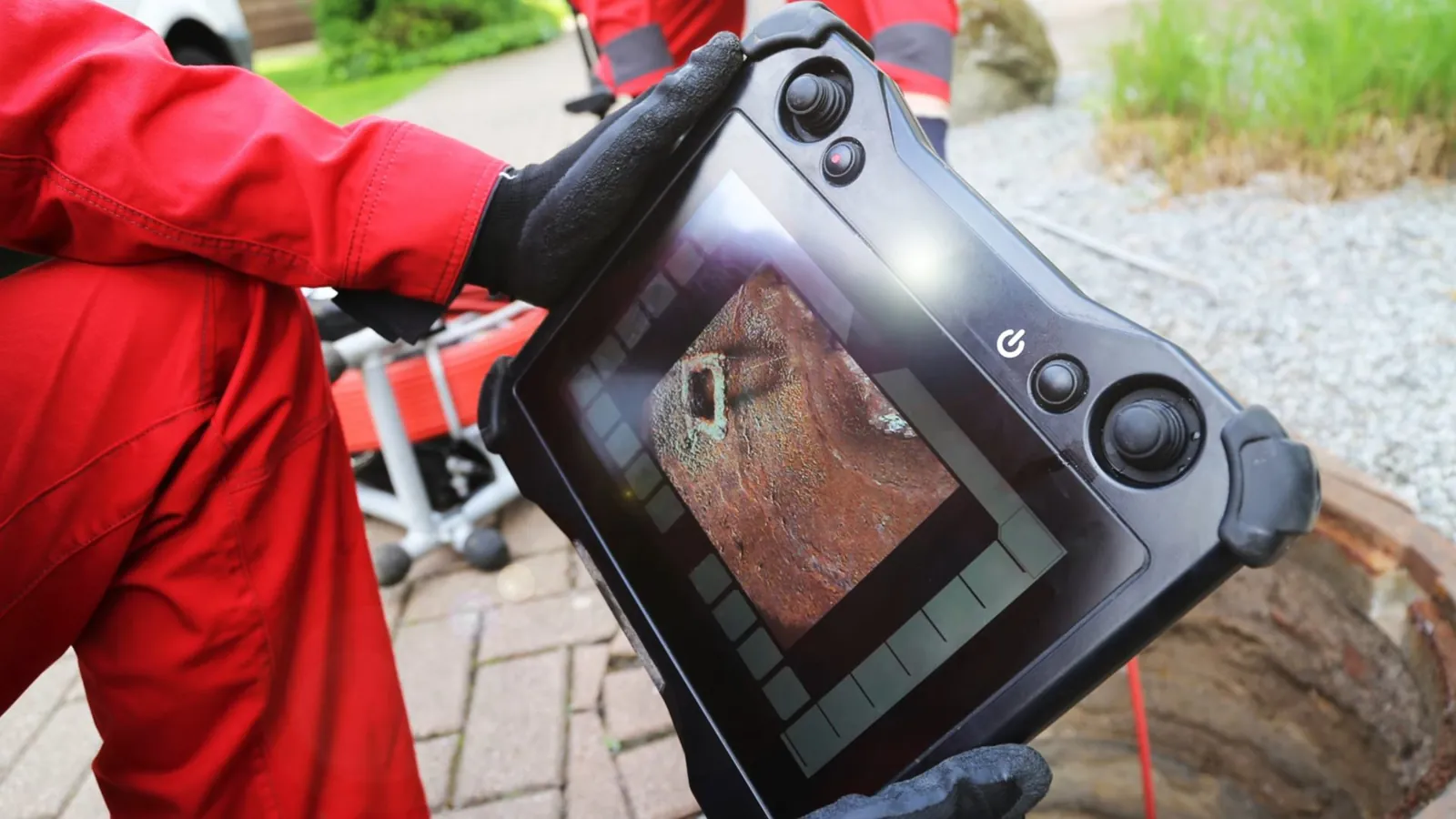
Sewage backing up in the house: what to do first
A sewage backup starts at the lowest drain in the house. If the basement floor drain, a tub or a ground-level toilet is the first to overflow, the main line is blocked or broken below that fixture.
- Stop adding water. No flushing, no laundry and no dishwasher until the line is cleared.
- Keep clear of the water. Sewage can carry disease, so keep children and pets out and wear gloves and boots if you must step in it.
- Photograph the damage. Take photos before moving anything, in case you need them for an insurance claim.
- Call a plumber. Say that sewage is reaching the floor so the visit is treated as urgent.
Safety note: Never combine drain chemicals or use them in a backed-up line, because a plumber may have to work in the standing water. If sewage has spread across a finished floor, the water removal page explains the drying and cleanup side.
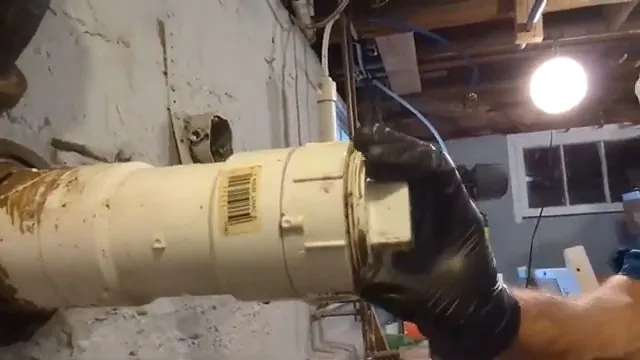
A backup that is happening right now should go to the emergency dispatch number listed on the home page.
Signs the sewer line, not a single drain, is the problem
One slow drain is a drain problem. Several at once, or the same problem returning right after a cleaning, is a sewer line problem. A sewage smell outdoors or a wet lawn strip that never dries points the same way.
- More than one fixture drains slowly at the same time.
- A toilet bubbles when the washer or a tub drains.
- The cleanout cap is wet or the smell is strongest near it.
- A patch of lawn stays soft or unusually green above the line.
- Drains back up again within days of being cleaned.
Routine clogs and jetting are on the drain service page; this page picks up when cleaning is no longer enough.
Camera inspection and sewer scope
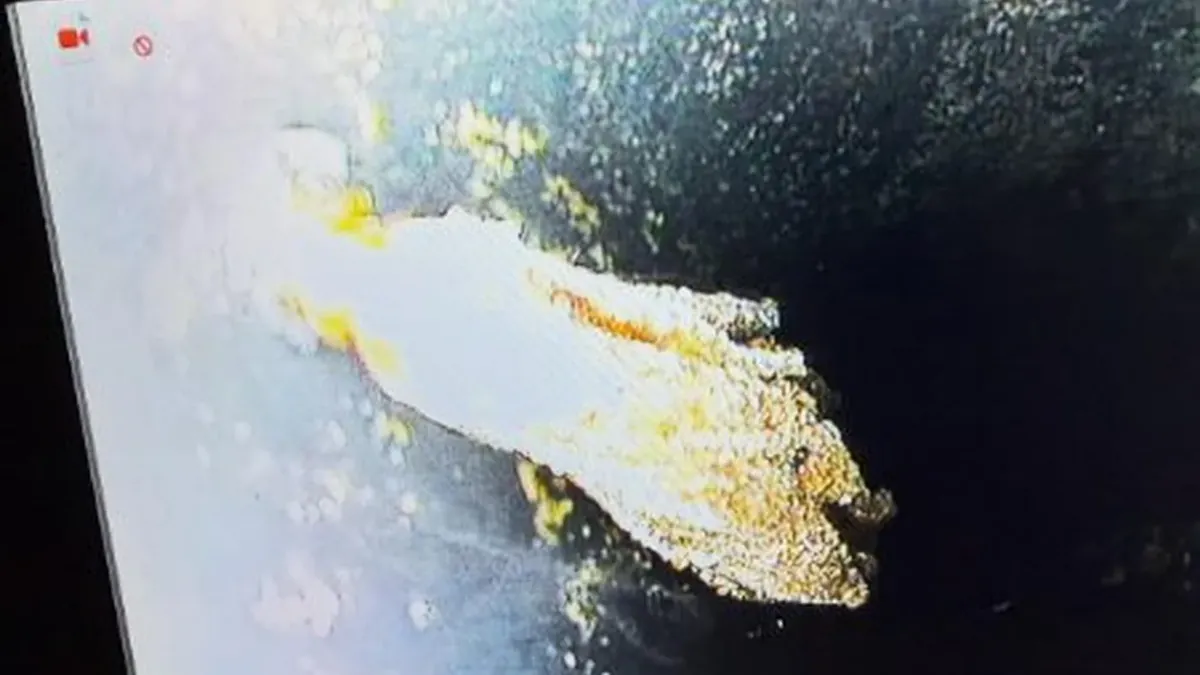
A camera on a flexible cable travels from the cleanout toward the street, and a monitor shows the pipe wall, joints and any debris. The distance counter and a surface locator turn what the camera sees into a spot on the ground.
The recording shows the pipe material, cracks, root entry, sags where water pools and offset joints. It is the basis for every repair decision, so ask for the footage or the findings to be shared with you before any repair is quoted.
- A scope is useful before buying a home with older pipe.
- It is the first step after a main line backs up twice.
- It shows whether a cleaning will hold or a repair is needed.
Sewage coming up through a drain?
Sewer cleaning and rooter service
Cleaning a sewer line uses a larger cable than a sink snake, or a jetting hose that scours the pipe wall. A rooter head cuts roots at a joint, and jetting flushes the pieces out. The camera then shows what the pipe looks like once it is clear.
Cleaning relieves the symptom and gives a look at the cause. If the cause is a worn joint, roots will be back, so ask how long the line is likely to stay clear.
Sewer line repair: fixing the damaged section
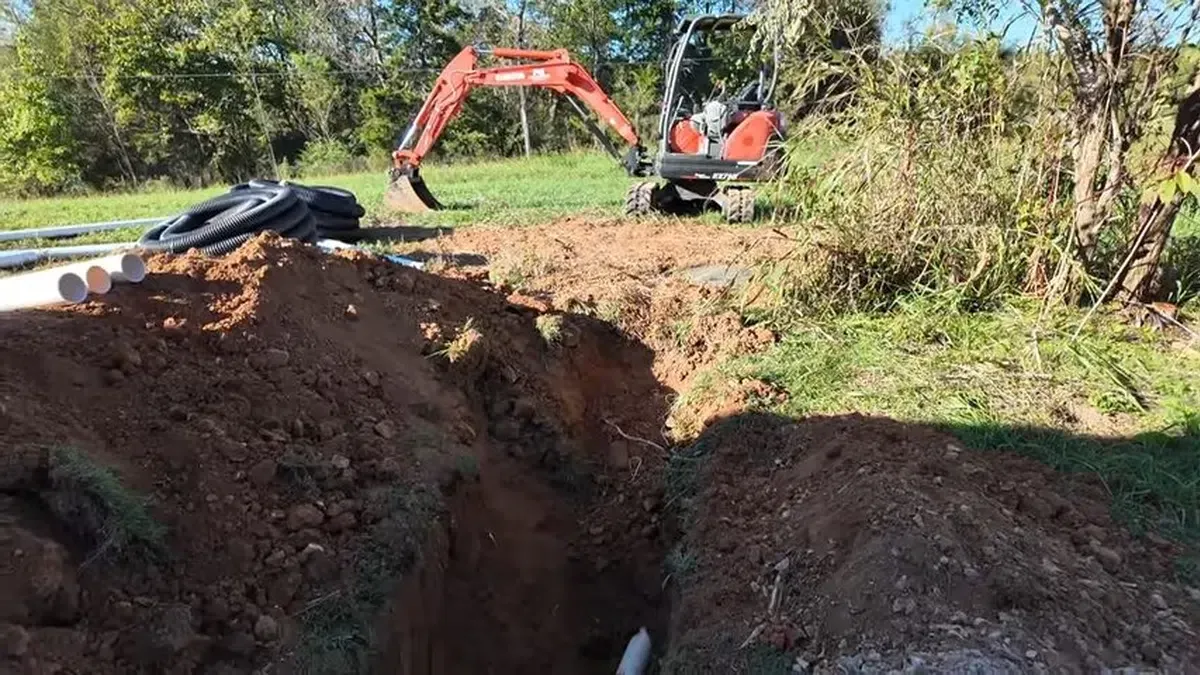
When the camera finds one bad section, such as a cracked joint, an offset or a short collapsed length, a spot repair replaces only that part. The plumber marks the spot, excavates a small area or uses a trenchless patch, installs new pipe and reconnects the line.
Frost can break exposed lines. In January 2024 a deep freeze cracked a sewer pipe at the Woodmoor Townhomes, a break that KRDO reported.
Look for a plumber who explains why that section failed and checks the rest of the line, because a patch on a line that is worn throughout will not hold. If the supply side of the house has pipe problems too, the repiping page covers that.
Sewer line replacement: when one section is not enough
Replacement makes sense when the pipe is worn along its length, when it has collapsed or when the same line has been repaired more than once. The plumber replaces the run from the house to the connection point, either in an open trench or with a trenchless method.
| Option | When it fits | What it involves |
|---|---|---|
| Spot repair | One damaged section, rest of the line sound | A small excavation or a patch from inside |
| Lining | Cracked pipe that is still round and mostly continuous | A resin liner is cured inside the pipe |
| Pipe bursting | A line that is worn throughout and has access at both ends | A new pipe pulled in as the old one is broken |
| Open trench | Collapsed or heavily offset pipe, or a line that needs regrading | Excavation along the route, new pipe, backfill |
Not sure the pipe is broken?
Trenchless methods: lining and pipe bursting
Trenchless work limits digging to a pit at each end of the line. Lining coats the inside of the old pipe with a resin sleeve. Bursting pulls new pipe through the path of the old one as it is cracked apart. Both reduce damage to landscaping, driveways and sidewalks.
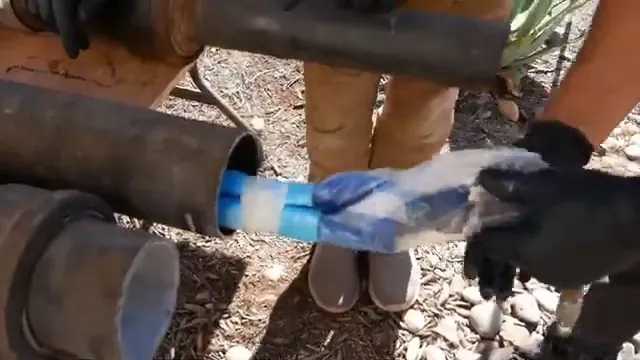
They are not right for every line. A collapsed section or a bad sag may rule them out, and the camera findings decide whether they fit. Ask the plumber to explain why a method suits the line, and what happens at the connection to the house and to the main.
Who handles the sewer lateral: the homeowner or the district?
The sewer lateral is the pipe between the house and the sewer main. Where the homeowner's responsibility ends and the district's begins differs by district, so the first step is to find out which one serves the address.
Call the serving district to ask where its responsibility begins and whether it needs notice of work near the connection. Ask the plumber to note on the repair paperwork where the pipe was damaged. Before any excavation, call 811 so buried utilities are marked.
Sewer line questions before you hire anyone
What homeowners ask about backups, cameras and older pipe.
My main sewer line is backing up and flooding. What does that involve?
The blockage is usually in the main line or its cleanout, so every drain in the house is affected, and the lowest fixture overflows first. The plumber opens the cleanout, relieves the blockage with a cable or jet and then runs a camera to see why it formed.
Until the plumber arrives, stop running water and flushing, keep people and pets away from the water and take photos for any insurance claim.
Should I get a sewer scope inspection, and when is it worth it?
A scope is worth it when you buy a home with older pipe, when a line has backed up before or when you see wet ground over the sewer route. The camera shows the pipe material, its condition and any roots, offsets or cracks.
The other option is waiting for a symptom. A scope before a problem lets you plan a repair at your own pace, while a scope after a backup is driven by the flooding.
Can a sewer camera locate the problem without digging?
Yes. The camera cable measures how far it has traveled, and a locator at the surface finds the camera head so the plumber can mark the exact spot and depth. That keeps the excavation to one place, if one is needed at all.
Call 811 before any digging so buried utilities are marked.
How is a suspected sewer leak found when nothing is backing up?
A slow leak shows as soggy ground, a lush strip of lawn or a smell. The plumber runs a camera through the line to look for cracks and separated joints, and may use a dye or a smoke test on the surrounding area to confirm where water escapes.
A leak that repeats in the same spot usually means the pipe wall has failed, so a repair beats repeated cleaning.
How do I tell what my sewer line is made of?
Check, in this order: look at the pipe where it enters the house and at any exposed section near the cleanout, ask what year the house was built and what the inspection report says, and run a camera through the line.
One caution: pipe color and wall texture can mislead. Cast iron rusts and scales, clay is made of short segments, and Orangeburg is a fiber pipe that can flatten, so only an inspection settles it.
Can a sewer problem wait for a same-day visit?
Consider a basement drain that overflows each time the washer runs. That is an active backup, and it should go straight to the dispatch line. A slow drain with no sewage at the surface can usually be scheduled, but call sooner if it worsens.
Same-day service depends on availability, so say plainly whether sewage is reaching the floor when you call.
Get the sewer line looked at before the next backup
- Licensed and insured plumbers
- Same-day service when available
- 24/7 emergency dispatch