
Why this page has no price table
Published price lists for plumbing go stale quickly and rarely match the house in front of the plumber. A figure with no source behind it would only set the wrong expectation, so none appears here.
A plumber sets the price after diagnosis, and the dispatch line does not. What this page offers instead is the list of things that change a quote, so two quotes can be compared fairly.
Honesty note: No discounts, promotions or fixed prices are offered through this site, and nothing here is a quote.
Factors that move any plumbing quote
| Factor | Why it matters | What to ask |
|---|---|---|
| Access | A pipe behind a finished wall or under a slab takes longer to reach | How much will be opened, and who repairs the finish |
| Material and parts | Copper, PEX and cast iron differ in labor and fittings | Which material and brand, and whether parts are warrantied |
| Permit and inspection | Some work needs a permit and an inspection visit | Who files it and whether it is in the quote |
| Diagnosis | Finding a leak or a blockage can be most of the visit | Whether diagnosis is separate from the repair |
| Distance and timing | An outer address means more travel for the plumber | Whether the quote changes by time of day or distance |
Ask for the scope in writing before work starts. Two quotes for the same job should name the same pipe, the same parts and the same cleanup.
Cost factors, service by service
The quote usually starts with one deciding factor, then picks up smaller ones. This table lists the lead factor first for each service page, with the others that change the work.
| Service | Where the quote starts | Also moves the quote |
|---|---|---|
| Leak detection | How the leak is found, and whether it can be reached without opening a wall or the ground | Property size and the number of suspect lines |
| Slab leaks | The detection method: acoustic, thermal or tracer | Time to isolate the leak, a breakout through the slab versus rerouting overhead, and the flooring and drywall afterward |
| Drain cleaning | Whether a camera look is needed to confirm the cause | Cleanout access, where the blockage sits, the length of the run and the cutting head for roots versus grease |
| Sewer lines | The condition of the old pipe, from cracks to collapse | Length and diameter, and reconnecting side branches after lining |
| Water heater repair | The age of the unit, which sets the repair-versus-replace line | Which part failed and whether it is on the truck |
| Water heater replacement | Code items such as an expansion tank, the permit and vent corrections | Tank size and fuel type |
| Tankless units | Electrical capacity and panel space | Gas line and meter capacity, the vent route and the condensate drain |
| Repiping | Access through a crawl space, an attic or a slab | House size, bathroom count, stories, the pipe material and the wall repair afterward |
| Water lines | Length, depth and the replacement material | Trenchless versus open trench, surface restoration, and which section the utility owns |
| Gas lines | The pressure test and inspection steps | Run length, pipe material and the number of appliance connections |
| Fixture repair | Parts versus replacing the whole fixture | The condition of the shutoff valve and the supply line |
| Garbage disposals | Motor size and the build of the unit | Outlet, switch and discharge changes under the sink |
| Softeners and filters | The system type and its capacity | Local water hardness, and the drain and electrical hookup at the install spot |
| Commercial plumbing | The scope of the work and the size of the building | Access outside business hours |
Want a quote for your own job?
Night and weekend visits compared with scheduled ones
A visit outside regular hours can change the quote, so ask the dispatcher whether it does before the plumber is on the way. No figure is given here, since none is sourced.
Ask also whether the plumber will make a temporary fix during the visit and return for the full repair, or finish the repair at once. A stop-gap that holds until morning may be the right call for a burst line, and the final repair is quoted separately.
Water damage work and the quote
The water damage service covers water removal, drying and mold testing. A quote follows an inspection, and it turns on how much of the house is wet, how long the water sat and what materials soaked it up. The water damage page explains the scope.
Ask what the quote includes by day of drying, and what happens if readings are still high when it ends. Rebuilding finished surfaces is a separate job outside that scope, and a quote should say so.
Hard water and softener sizing
The hardness of the local supply decides how large a softener needs to be, and no hardness figure is published for this area here. Ask the provider on the water bill for its latest quality report, and ask the plumber to size the unit from that report and the household.
Slab leaks: what drives the quote
A leak under concrete costs more to deal with than one in a wall, because the first job is finding it without opening the whole floor. The slab leak page explains the choices between spot repair, rerouting and repiping.
- Whether the leak is under a slab, in a crawl space or in a wall.
- The length of line that has to be rerouted or replaced.
- How much flooring and finish is lifted and put back.
Confirm what the house is built on first. No source says what Monument homes typically sit on, so the quote should start from what the plumber finds.
Tankless water heaters: what changes the price
The unit is one line in the quote. Gas supply size, venting and the permit usually add more. The tankless page covers whether a wall-hung unit suits a given house.
- Gas line capacity, and whether the line must be upsized.
- Vent type and the route to the outside.
- Whether the old tank or the old vent stays or is removed.
A replacement of any water heater is permitted work in Colorado, with an inspection after, so ask that both appear in the quote.
Water service lines: what to ask first
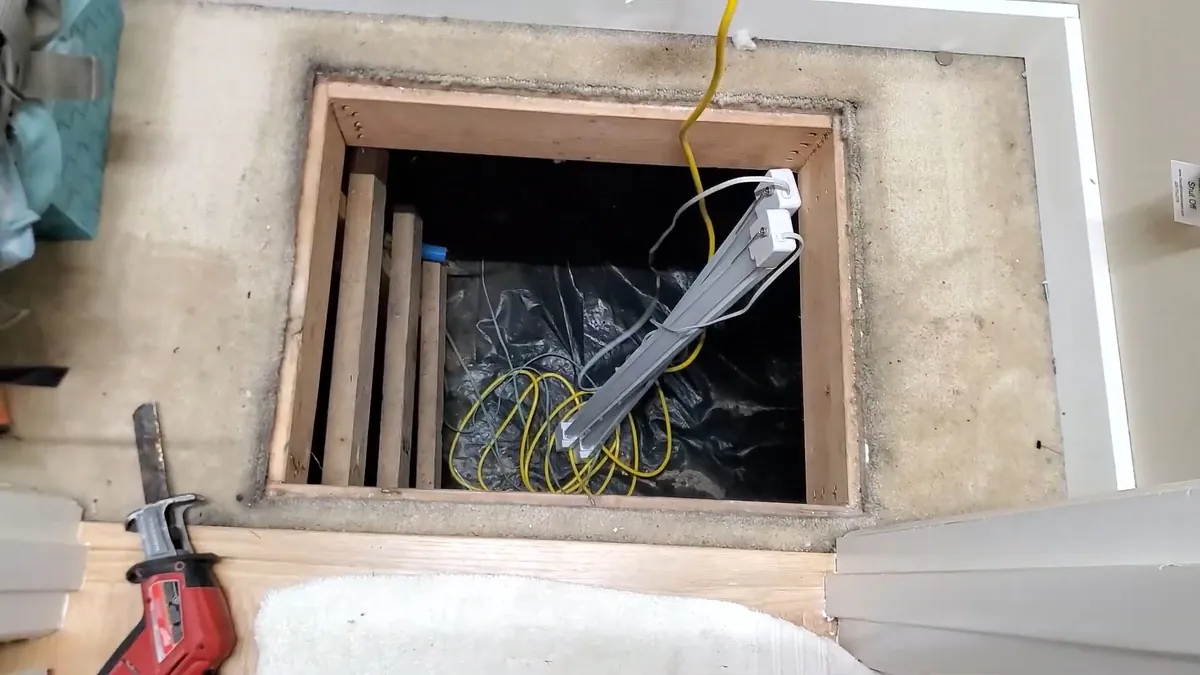
The service line runs from the meter to the house, and who owns which part depends on the provider. Ask the provider before pricing anything. The water line page covers the repair choices.
- The length of the line and the depth it is buried.
- Whether the old pipe is replaced in the same trench or a new route is used.
- Whether the work needs the provider to shut off and restore service.
Dial 811 before any digging, since buried lines are unmarked on most lots. Older lines may be lead or another material, so ask the provider what is known about the address.
Garbage disposals: repair or replace
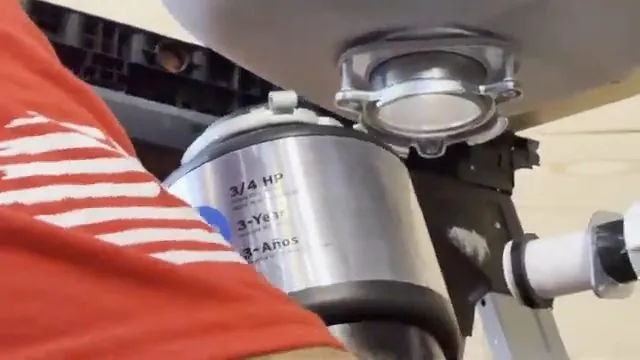
A jam or a worn seal is a short job. A seized motor or a cracked housing usually points to replacement. The disposal page sets out the signs of each.
- Motor size and the mounting style under the sink.
- Whether the drain connection or the power cord also needs work.
- Whether an old unit is hauled away with the visit.
How to compare two quotes
- Check that both name the same scope of work.
- Check what each one says about permits and inspection.
- Check what is excluded, such as finish repair or haul-away.
- Check the written terms for warranty and payment.
- Ask the lower-priced plumber what was left out before choosing it.
A quote that is far lower than the rest is a reason to read it twice. It may omit the permit, the cleanup or the part that fails first.
Plumbing quotes start with one call
- Licensed and insured plumbers
- Same-day service when available
- 24/7 emergency dispatch