
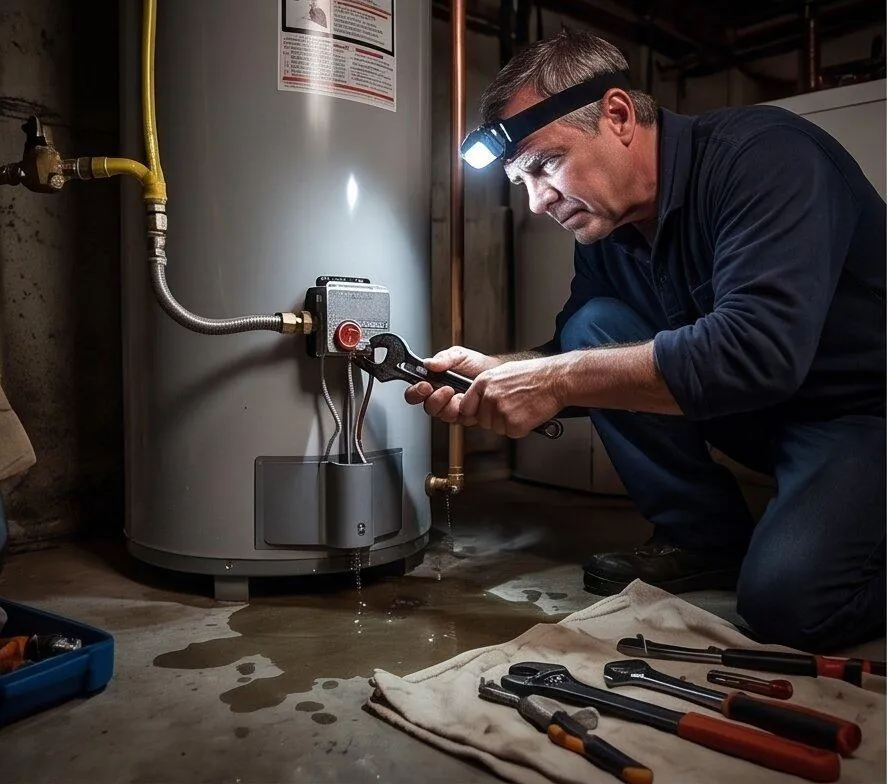
No hot water or only lukewarm? What to check before calling
A water heater that goes cold has a short list of causes. A few checks can narrow it down, and they take only a few minutes.
- Electric: look at the breaker for the heater and the red reset button on the thermostat cover.
- Gas: confirm the gas valve at the heater is open and check whether the pilot light is lit, without relighting if you smell gas.
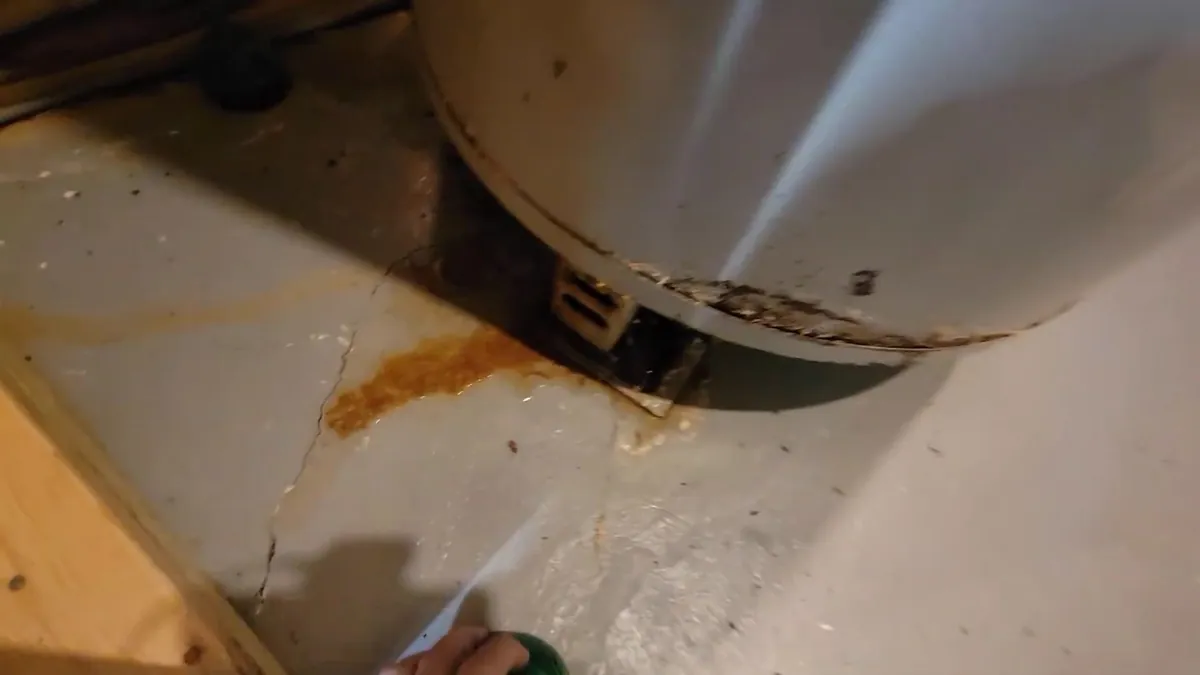
- Look at the tank base and the pipes above it for damp, rust trails or a drip.
- Listen for the burner or element and note any popping or hissing.
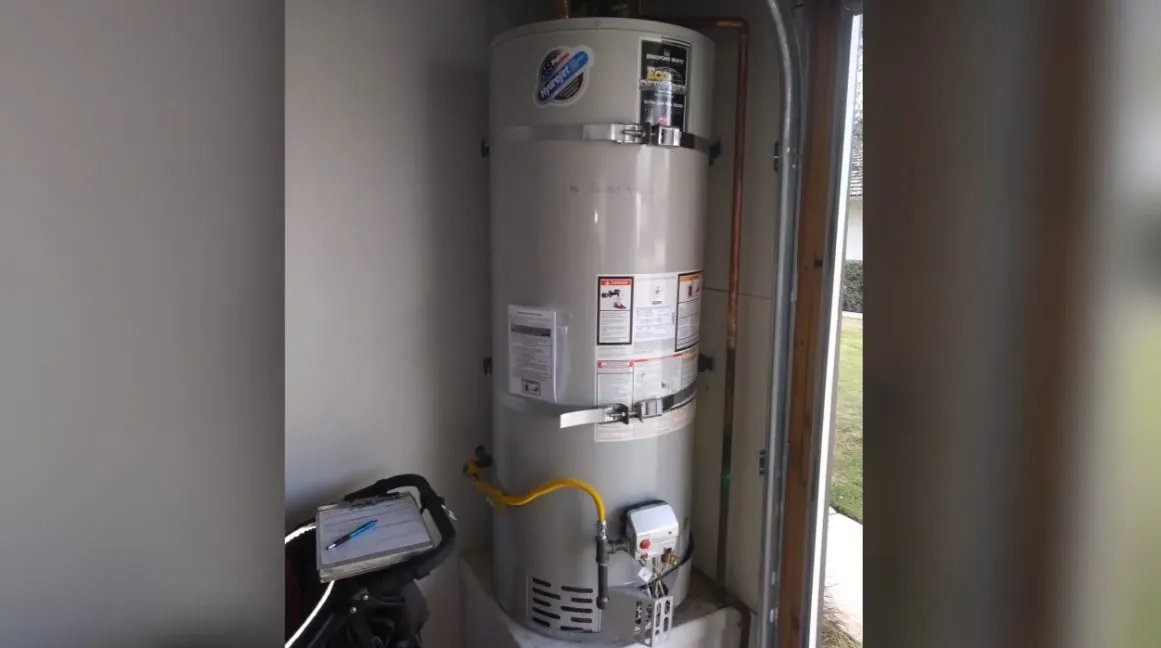
Safety note: If you smell gas, leave the building at once, do not use switches or phones inside and call the gas utility from outside. A pilot that will not stay lit can also mean poor venting, so do not keep relighting it.
Gas versus electric: what fails and how it is repaired
| Symptom | Gas heater | Electric heater |
|---|---|---|
| No hot water at all | Pilot out, thermocouple or igniter failure, or a gas valve problem | Tripped breaker, failed upper element or a faulty thermostat |
| Water warm but not hot | Burner clogged with dust or sediment | Lower element burned out |
| Water too hot or pressure relief valve opening | Thermostat or gas control fault | Stuck thermostat or element contact |
| Popping or rumbling | Sediment under the burner | Sediment burying the lower element |
| Smell from the vent area | Incomplete combustion or a venting problem. Treat as urgent | Not a typical symptom |
A thermostat, element or igniter replacement is a routine repair. Anything that touches gas piping, burners or venting should be done by a plumber who can test for leaks and combustion safety before the heater is returned to service.
Heater down and the house cold?
Leaking tank or leaking fitting?
Not every drip means the heater is finished. The first job is to find where the water is coming from.
Fitting, valve or connection
A weeping inlet or outlet, drain valve or relief valve is often repairable. The part is replaced and the heater stays in service.
Tank body or bottom
Water from the tank itself usually means the inner steel has corroded through. Repair is not possible, and replacement is the next conversation.
Pressure relief valve
A valve that drips can be reacting to high pressure or to thermal expansion. An expansion tank on the cold line is sometimes the fix.
A tank that is flooding the floor needs emergency plumber help right away. If the leak has already reached flooring or drywall, the water damage restoration page explains how drying works.
Sediment, noise and flushing
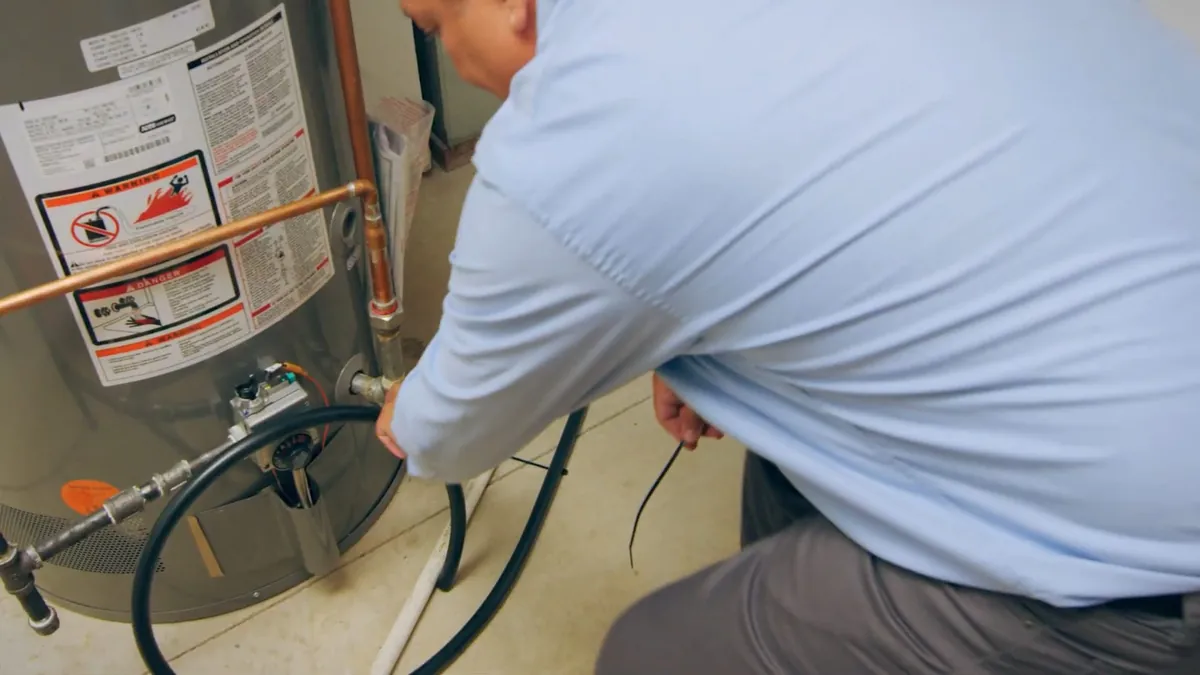
Minerals settle at the bottom of a tank. The layer acts as insulation between the burner or element and the water, so the heater works harder, takes longer to heat and makes popping sounds as steam bubbles push through the sediment. Flushing removes it before it hardens.
How quickly sediment builds depends on the water supplied to the house. Water hardness is reported by the supplier, not guessed, and the softener page explains where to find that report.
A heater that is flushed regularly often lasts longer, and a plumber can check the anode rod during the same visit. Ask whether the drain valve works, because an old valve that will not open can be a reason to replace it.
Repair or replace: where the line falls
Repair makes sense when the tank is sound and only a part has failed. Replacement makes sense when the tank has corroded through, when repairs are stacking up or when the unit is old and failing. A plumber should be able to say which category yours is in and why.
The Pikes Peak Regional Building Department handles permits for Monument, Palmer Lake and Woodland Park, so a replacement in those places goes through that office.
When replacement is the answer, the water heater installation page explains what a replacement involves.
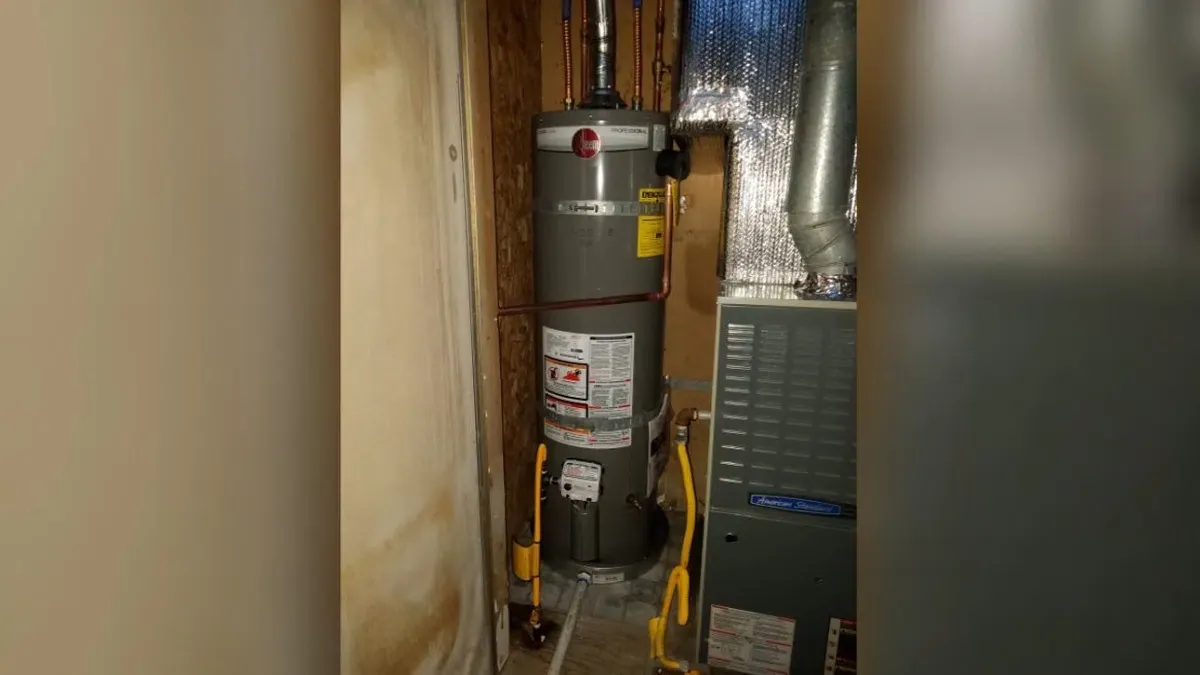
Water heater leaking at the base?
Water heater repair questions
What people ask about pilots, flushing, noise, remodels and tank size.
How long does it take to fix a pilot light, igniter or burner problem?
Do now: if you smell gas, leave the house and call the gas utility from outside. If there is no smell and the pilot is out, check that the gas valve is on and look for a thermocouple or igniter fault, which a plumber replaces.
Can wait: a heater that works but takes several tries to light can be scheduled, though a repeat failure usually means a part is wearing out and may fail altogether.
Who does a water heater flush and what does it involve?
A plumber turns off the power or gas, connects a hose to the drain valve and runs the tank until the water comes out clear, which removes sediment from the bottom. The sacrificial anode rod can be inspected at the same visit.
Sediment shows up as popping or rumbling and as a heater that takes longer to heat. If a drain valve is stuck or clogged, the plumber replaces it rather than forcing it.
If I am remodeling the utility room, should the water heater be repaired, moved or replaced?
Repair is reasonable when the tank is sound and only a part has failed. Moving or replacing is a permitted job, and the Colorado State Plumbing Board has said replacement requires a licensed plumber working for a registered plumbing contractor, with permits and inspections from the local authority.
Ask the contractor who is pulling the permit, and have the plumber look at the vent, the pan and the shutoff valves during the remodel while walls are open.
Why is my water heater making noise, and is it dangerous?
Popping or rumbling usually means sediment on the bottom of the tank. Hissing may be water on a hot burner or a leak. A high squeal can be a failing valve or a partly closed shutoff.
A quiet clicking from a gas heater at ignition is normal. A loud bang, a smell of gas or any water on the floor is not, and should be handled right away.
What size water heater do I need if I replace instead of repair?
Size depends on how many people use hot water at the same time, how many bathrooms the house has and the first-hour rating on the label. A heater that is too small gives out in the middle of a shower.
The plumber can read the label on your current heater and compare it with how the household uses water. If a larger unit or a different type is on the table, the tankless water heater page covers that choice.
Repair it or replace it? Get the facts from a plumber
- Licensed and insured plumbers
- Same-day service when available
- 24/7 emergency dispatch