
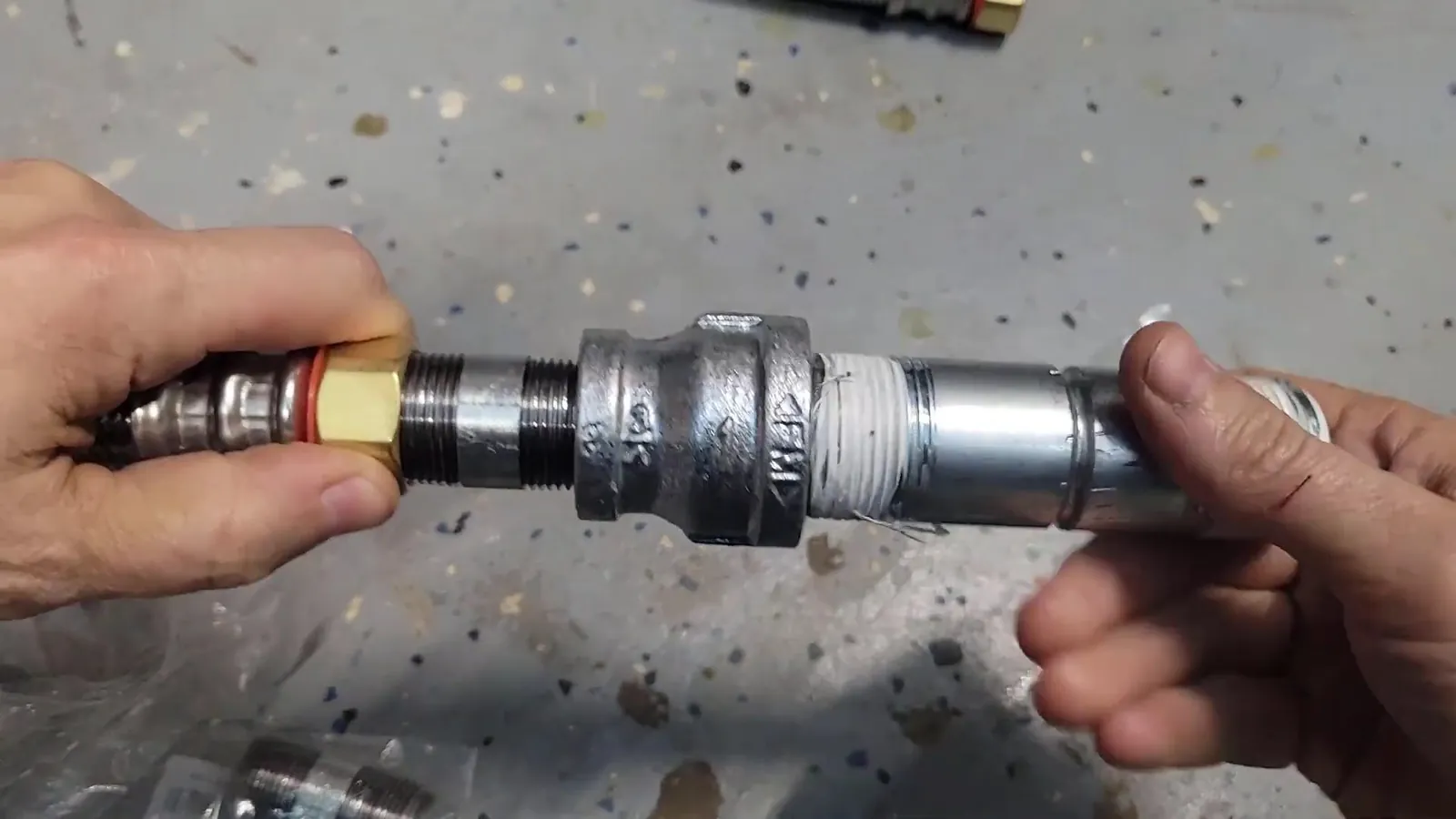
Warning signs of a gas problem
Gas has an added odor so leaks are noticed, but not every problem announces itself that way. Treat each of these as a reason to stop and check.
- A rotten-egg smell near an appliance, a pipe or the meter.
- A hissing sound near a gas line or fitting.
- Dead or discolored plants along a buried line.
- A pilot light that keeps going out or a flame that burns yellow.
- Bubbles at a joint when it is tested with soapy water.
Safety note: Smelling gas means do not use a phone, switch or lighter inside. Leave first, then call from a safe distance. Gas leaks are an emergency, and the utility or 911 comes before a plumber.
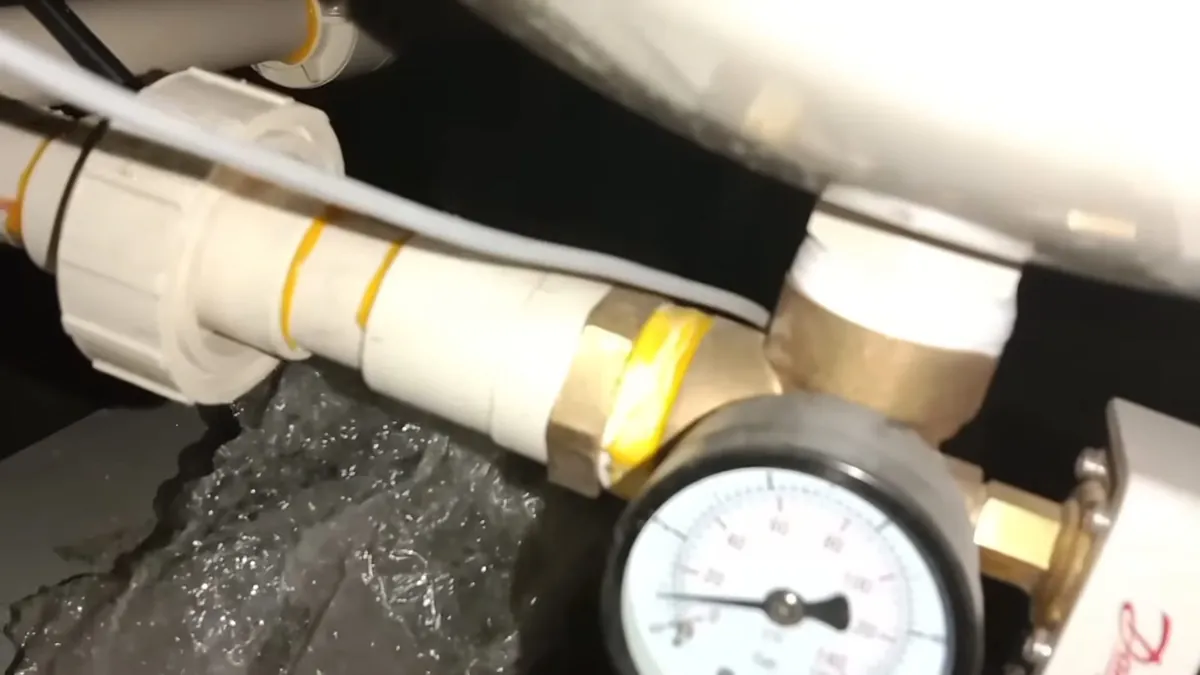
Gas line repair and leak response
Repairs begin with isolating the line. The plumber closes the nearest shutoff, finds the failed joint or section and repairs it with the right fitting for the pipe.
- Shut off and ventilate. The supply is closed and the area is aired out before any work starts.
- Locate the leak. A gauge or a leak-detection solution shows where gas is escaping.
- Fix the failure. The failed fitting or pipe section is replaced, not patched.
- Test again. The line is pressure tested and the appliances are checked before gas is restored.
Smell gas or hear a hiss?
Replacing old or damaged gas pipe
| Material | Where it is used | What to know |
|---|---|---|
| Black iron | Rigid runs inside the house and to appliances | Threaded joints, durable and widely accepted |
| Corrugated stainless tubing | Flexible runs through walls and ceilings | Fewer fittings, but needs correct bonding and protection |
| Flexible appliance connector | The last stretch to a range or dryer | Rated for gas and replaced if kinked or old |
Pipe replacement is called for when corrosion, damage or an old unsafe material shows up. Never reuse an old flexible connector on a new appliance. Where pipe passes through a wall, floor or framing, the plumber also checks supports, sleeves and any contact with other metals, because rubbing and moisture wear a gas pipe over the years.
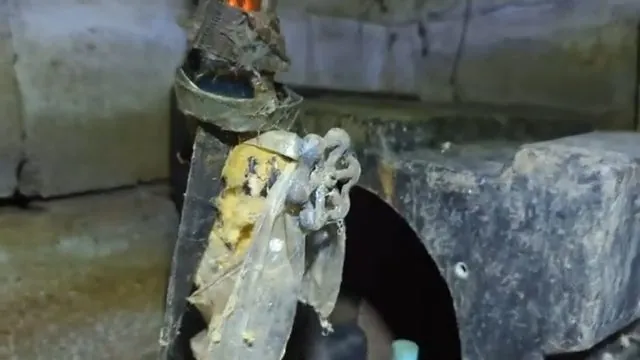
Installing a new gas line
New runs serve a range, a dryer, a fireplace, a grill or a tankless heater. The plumber measures the total load, checks that the meter and the main line can supply it and then sizes the new pipe.
A tankless water heater draws more gas than a tank, so the supply often needs to change. The water heater replacement page describes the permit side of that work.
Propane systems follow different pressures and regulators than natural gas, so tell the plumber which fuel you have before they plan the job.
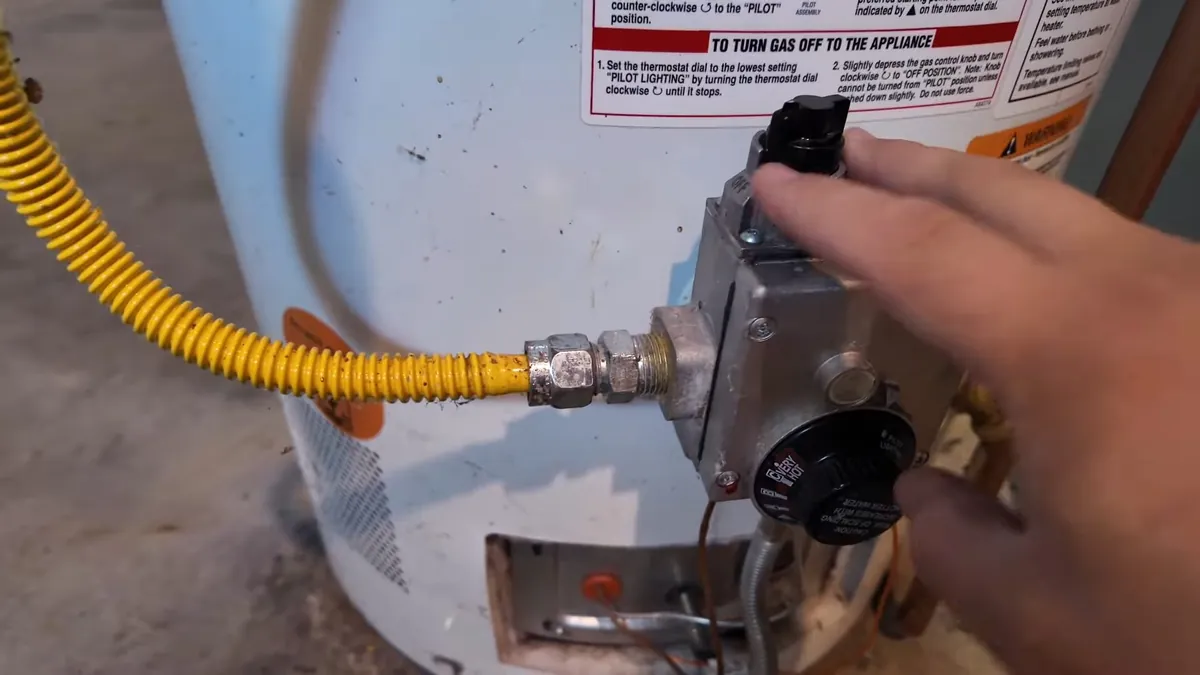
Pressure testing and inspection
A new or repaired gas line is tested before it is put into service. The plumber fills the line with air or an inert gas to a set pressure and watches the gauge for any drop.
If the local office requires an inspection, the inspector looks at the piping, the supports and the shutoffs, and may watch the test. Colorado treats this as part of the permitted work and not an optional step.
The dispatch line on the home page handles urgent calls at any hour, and the utility should be called first for a suspected leak.
After a repair, expect the plumber to relight pilots, check flame color and confirm that each appliance shutoff closes fully. Ask for the permit and inspection result to be noted for your records.
Adding a gas appliance?
Appliance hookups and propane
Appliance hookups cover a range, a dryer, a fireplace, a grill and a generator, and each needs a shutoff within reach and a connector rated for gas. A plumber checks that the appliance is set for the fuel you have, since natural gas and propane use different orifices and pressures.
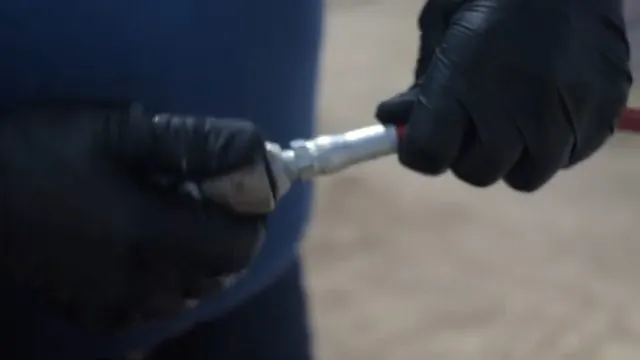
Outdoor grills and fire features often run from a stub-out on the exterior wall. That stub needs a valve, protection from weather and a test like any other run, and buried lines need to be marked and kept clear of digging.
Appliances that move, such as a range that is pulled out for cleaning, stress the flexible connector. Replace a connector that is kinked, corroded or older than the appliance it feeds.
- Confirm the fuel type before ordering an appliance.
- Keep the shutoff reachable and not blocked by cabinets.
- Do not tighten gas fittings beyond hand and wrench snug without a leak check.
- Never test a joint with a flame.
Gas line questions
What to do first and what the work involves.
What should I do if I smell gas?
Do now: leave the building, take everyone with you and do not switch lights or appliances on or off. Call the gas utility or 911 from outside. Do not try to find the leak yourself.
Can wait: a plumber's visit to find and repair the source, once the utility has made the area safe.
Do I need a permit to add a gas line?
In most cases yes, because new gas piping is inspected for leaks and for correct sizing. The permit office depends on where the home sits, and the Pikes Peak Regional Building Department serves Monument, Palmer Lake and Woodland Park.
Ask the plumber who applies for the permit and what day the inspector visits.
What pipe is used for a new gas run?
Black iron and flexible stainless tubing with a corrugated wall are the common choices. Which one suits a job depends on the appliance, the run and the local code.
The plumber sizes the pipe from the appliance load and the distance from the meter, so the gas arrives at the right pressure.
Can a plumber hook up a gas dryer or range?
Yes. Appliance hookups need the right shutoff valve, a connector rated for gas and a leak check after the connection is made.
A hookup is one of the shorter gas jobs, but it still ends with a test.
Have a gas pipe checked before it fails
- Licensed and insured plumbers
- Same-day service when available
- 24/7 emergency dispatch