
Is water really leaking? Three checks you can do first
A faint hiss in the wall, a floor that feels warm or a bill that makes no sense can be a leak or a habit change, and it helps to know which before anyone arrives.
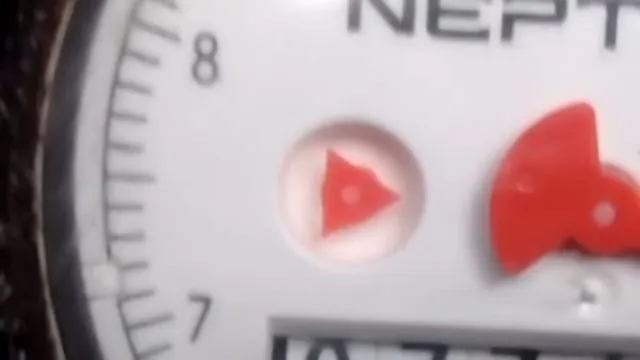
- Turn off every tap and appliance, then read the water meter. If the dial or the small low-flow indicator keeps moving, water is going somewhere.
- Add color to each toilet tank, wait 15 minutes without flushing and look in the bowl.
- Check the water heater, the washing machine hoses and the cabinet under each sink for damp or a mineral crust.
Safety note: A smell of gas is not a water leak. Leave the building and call the gas utility from outside, then read the gas line repair page. If water is dripping near an outlet or the electrical panel, keep away from it and do not stand in water to reach a switch.
Which meter you read depends on who supplies the address, because Monument homes are served by different systems. The pull note below names them. If the meter is running with everything off and the fixtures are dry, the leak is in a pipe, and the next section explains what the plumber looks for.
Signs that water is escaping where you cannot see it
| What you notice | Where it often starts | What gets checked |
|---|---|---|
| Water bill climbs with no change in habits | A buried line, a fitting inside a wall or a leaking fixture | Meter movement with everything off, then pressure on each branch |
| Sound of running water at night | A pinhole in a supply pipe or a stuck fill valve | Listening on the pipe, then acoustic tracing along the run |
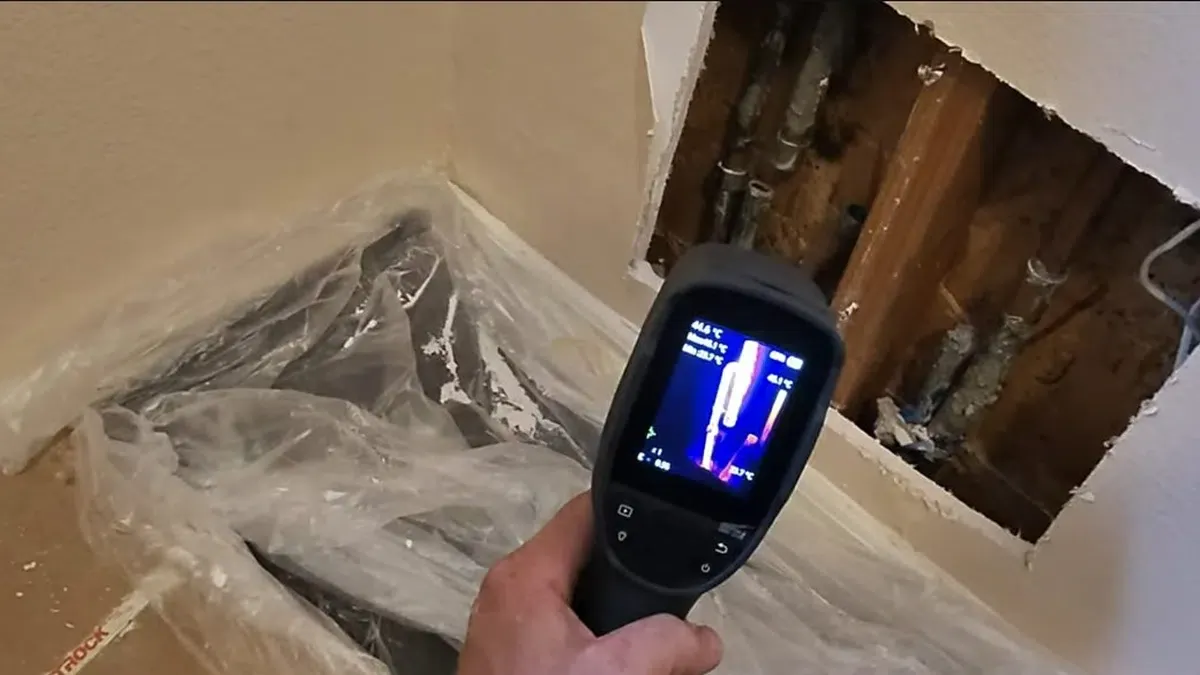
| Warm patch on the floor | A hot water line under flooring | Thermal imaging and a line pressure test |
| Musty smell, peeling paint or a stain on a wall or ceiling | A supply or drain line behind the surface, or a window or roof leak | Moisture readings first, then a camera or a small access opening |
| Low pressure at every tap | A leak on the incoming line before the house | Pressure at the main valve and a check of the yard line |
Callers also describe wet crawlspace soil, a damp basement corner and a lawn patch that stays soft long after the sprinklers stop. Each of those is worth a call, and the hidden ones are the reason a plumber uses instruments instead of guessing.
Seeing a damp spot and not sure why?
How leak detection narrows down the source
Detection is a process of elimination. The plumber starts with the meter and the pressure at the main, then isolates sections of pipe until only one section still loses pressure.
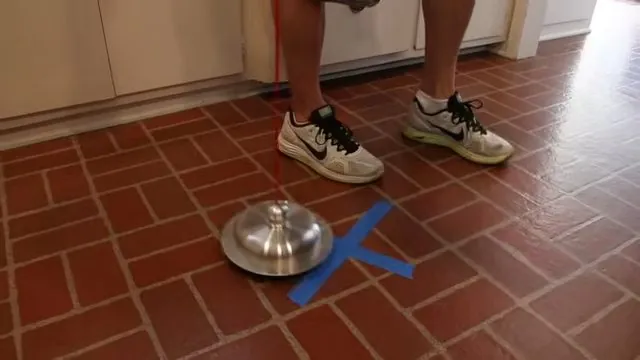
Inside that section, acoustic gear picks up the sound of water escaping, a thermal camera shows a warm or cold line behind a surface and a moisture meter confirms a wet spot. Pressure and hydrostatic tests put a section under controlled load to confirm a suspected failure before a wall is cut. In hard cases a tracer gas such as helium can be pushed into a drained line and traced at the surface. Which tools are used depends on the pipe, the surface and what you have described.
A plumbing inspection, also called a pipe condition check, is a different visit from a leak call. Nothing is leaking yet, and the goal is to learn the state of the system: pressure at the main, shutoff valves that still turn, fittings that show corrosion or mineral crust, and any section that looks worn. It makes sense before buying a house, after a hard freeze or when a line has failed once and you want to know whether the rest will follow.
- Ask which methods will be used and why.
- Ask whether the work includes marking the spot and photographing it.
- Ask what the next step is if the first method finds nothing.
Repairing the leak once it is located
If water is already flooding a room, skip the checks and call the emergency plumber line shown at the top of the home page.
A found leak leads to a short list of choices. A single failed joint or a pinhole in a straight run is often a spot repair. A section with several pinholes, or a line that keeps failing near the same fitting, points to replacing that section. Where the whole run is worn out, the question becomes repiping, and the pipe repair and repiping page explains how that decision is made.
Access matters as much as the repair. A leak behind a finished wall needs an opening cut where the detection work pointed, and a leak in a yard line needs a trench, so the plumber should describe where the opening will be and who patches it. Leaks under a concrete floor are their own subject, covered on the slab leak repair page.
Leaks inside walls, ceilings, crawlspaces and basements
Water behaves in odd ways inside a house. It runs along a joist or down a pipe before it shows up as a stain, so the wet spot on a ceiling can be several feet from the leak. That is why thermal and moisture readings come before any cutting.
Walls and ceilings
A supply line or a drain trap above the stain is the usual suspect. Readings map the damp area and point to the highest wet point, which is where the search begins.
Crawlspaces and basements
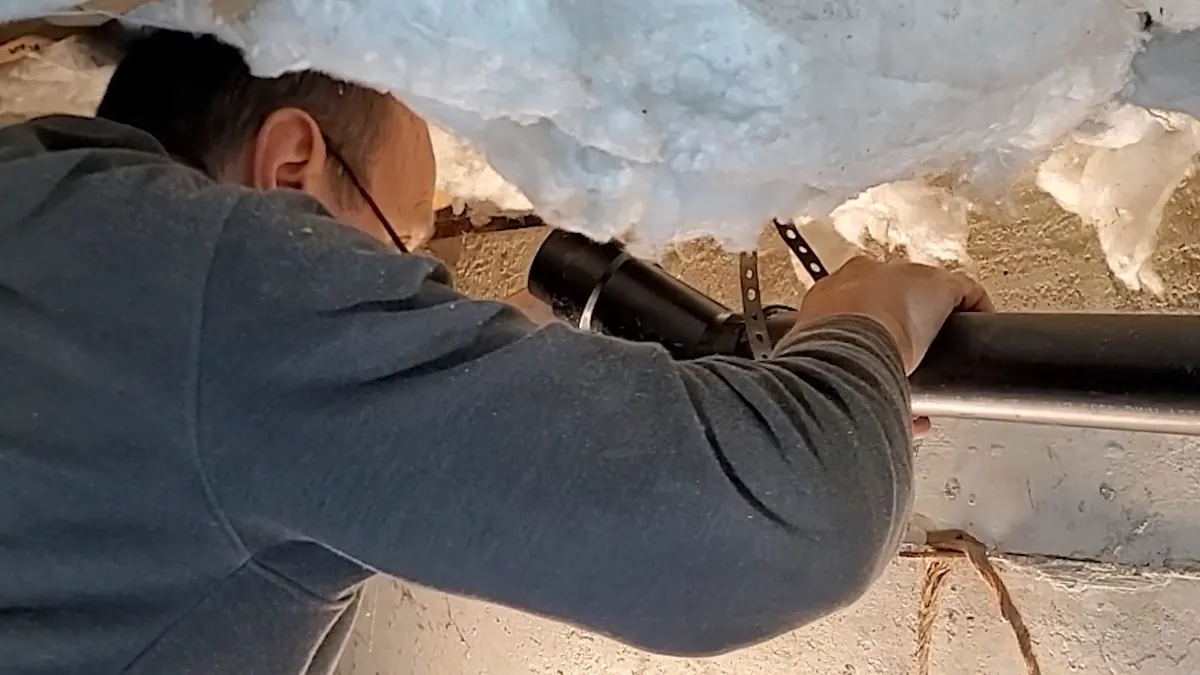
Look for wet insulation, dripping from the underside of the floor or a pipe that sweats. A leak here can also be groundwater, and the plumber separates the two before recommending a repair.
Yard and irrigation lines
A soft or green lawn patch and a meter that moves with the sprinklers off suggests a buried line. Irrigation leaks are found the same way, by isolating each zone.
A leak on the main or the yard line is repaired as part of water line repair work. Stores and offices use the same detection methods, and the commercial plumbing page covers how those jobs differ.
Water bill climbing with no explanation?
Fixture leaks you can often find yourself
Toilets, faucets and supply lines account for many of the leaks callers report, and they are the easiest to confirm. A running toilet wastes a surprising amount of water without any sign on the floor, so a high bill can come from an inexpensive part.
If the check points to a toilet or a faucet, the faucet repair page covers the repairs and when a part is worth replacing.
Local factors that add to leak risk around Monument
Two local facts change how a leak is handled. The first is who supplies the water. The second is the ground the pipes sit in.
Colorado's geological survey ranks expansive soil as the top geologic hazard in the state, and swelling clay also turns up in a geotechnical report on a Monument-area site. Soil that swells and dries moves buried pipe, so a yard line that has leaked once is worth testing along its full length, not only at the break.
An unnoticed leak can soak drywall and flooring for weeks. Once water has reached the structure, the water damage restoration page explains how removal and drying work.
Leak detection questions from Monument homeowners
Short answers to the questions callers ask most about hidden and fixture leaks.
How can I tell if a toilet or faucet is the leak, and how long does it take to check?
Start with what you can see. A toilet that refills by itself, a faucet that drips after it is shut off or a damp cabinet floor under a sink usually points to a fixture. Add a few drops of food coloring to the toilet tank and wait without flushing; color in the bowl means the flapper is letting water through.
Fixture checks are quick once a plumber is on site, often a matter of minutes per fixture. If every fixture is dry and the meter still moves, the leak is somewhere else.
Who deals with a frozen or leaking pipe, the homeowner or the water provider?
It depends on where the failure is. Water escaping inside the house is yours to shut off and have repaired. A leak at the meter or the street connection is a call to the water provider, and the provider differs around Monument, because the Town, Triview Metropolitan District and Woodmoor Water and Sanitation District operate separate systems.
For a pipe that froze, shut the valve, let the nearby tap run a little and thaw the pipe gradually. A plumber can then say which side of the meter the damage is on.
What if I disagree with a leak diagnostic bill?
Ask before the visit what the diagnostic covers, whether it ends at finding the leak or includes repair, and what happens if nothing is found. Ask for the scope and the findings in writing. A clear description of the work protects both sides, so raise questions about the scope before work starts, not after.
Can a water stain on a second-floor ceiling or balcony be traced without opening it up?
Often yes. A thermal imaging camera shows temperature differences where a surface is wet, and a moisture meter confirms it. Those tools narrow the search to a small area, so an access cut, when one is needed, can stay small.
A stain below a balcony or bathroom can also come from roof water or a window seal rather than a supply line, so the plumber rules out the plumbing first and tells you if the cause looks like something else.
Found early, a leak does far less damage
- Licensed and insured plumbers
- Same-day service when available
- 24/7 emergency dispatch