
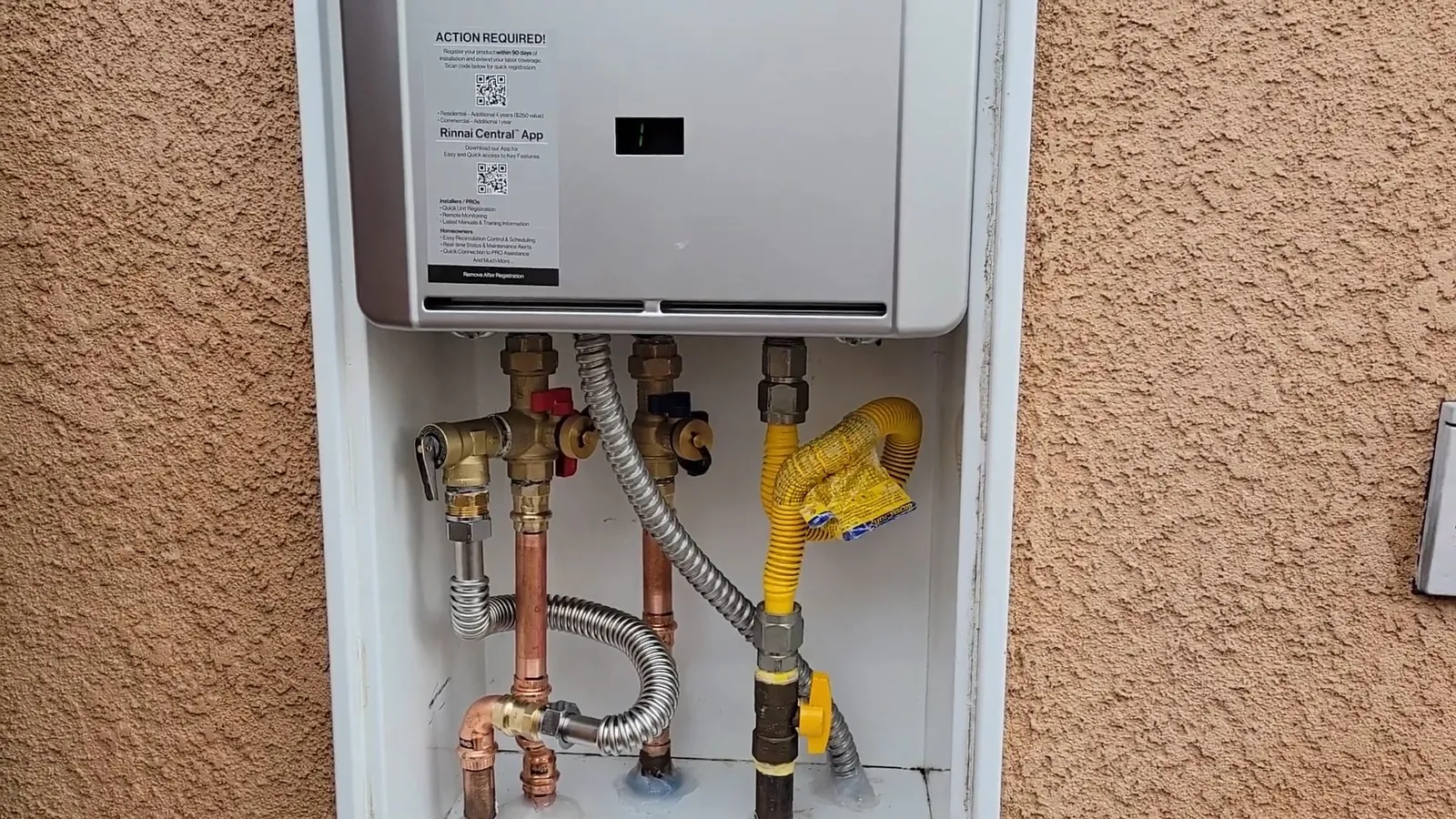
Tankless problems and what they usually mean
Tankless units tell you what is wrong, if you know how to read the signs. Start with how the problem shows up.
| What happens | Likely cause | What the plumber checks |
|---|---|---|
| Hot water turns cold for a few seconds in the middle of a shower | The unit shut off between uses or the flow is below its minimum | Flow rate, sensor and the sequence at start-up |
| Hot water is lukewarm or never gets hot | Scale on the heat exchanger or a gas supply that is too small | Inlet and outlet temperature and gas pressure |
| Display shows an error code | Ignition, venting, flow or temperature fault | The code against the maker's list, then the failed part |
| Unit will not start at all | No gas, no power or a blocked vent | Gas valve, power and the vent path |
| Water takes a long time to arrive | A long pipe run from the unit to the fixture | Pipe length and the option of a recirculation line |
Brands differ in parts and codes, so the model number and the code on the display speed the visit up. Write them down before calling.
Troubleshooting a tankless water heater
A few things are safe to check yourself: that the gas valve is open, that the unit has power, that the isolation valves are open and that the vent is not blocked by snow or a bird nest. Beyond those, the unit has combustion parts that need a plumber.
The plumber reads the fault history, tests gas pressure and checks the flame sensor, the igniter and the flow sensor. Many faults come from mineral scale or a clogged inlet filter, which a flush and a cleaning solve.
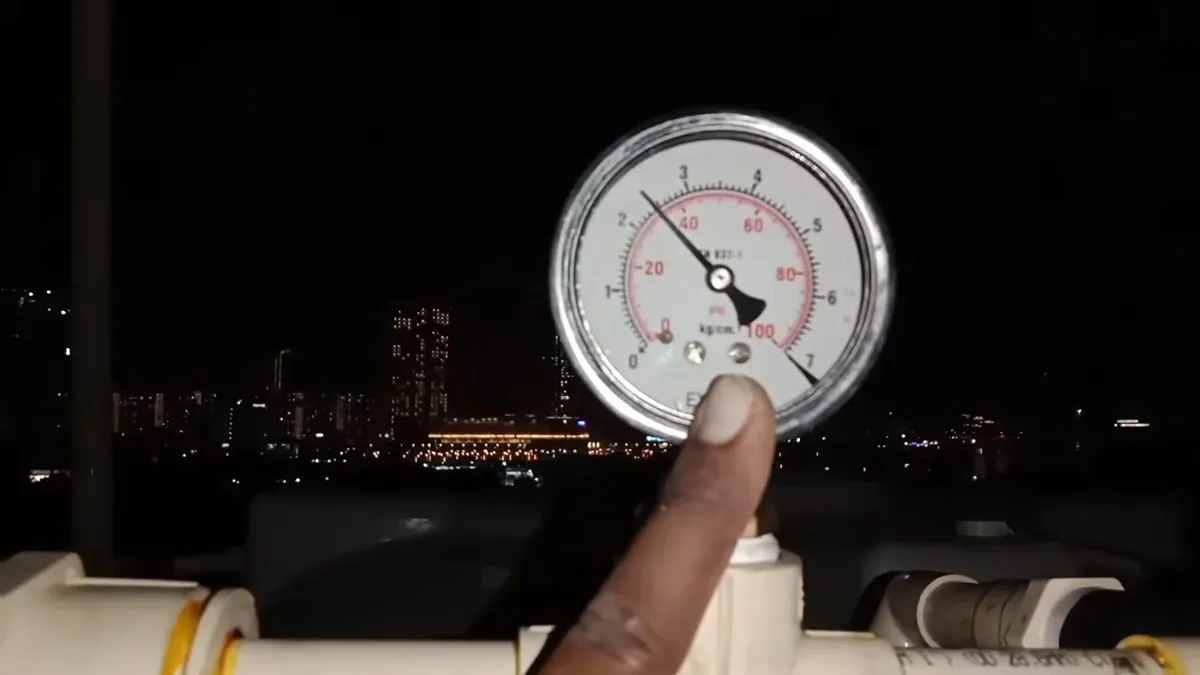
Cold spells deserve a mention here. A vent terminal or condensate line that freezes can stop a unit that worked fine in autumn, so a plumber checks exposed runs before the first hard freeze of the season.
- Have the model number and the displayed code ready.
- Note whether the cold-water sandwich happens at low or high flow.
- Ask whether the repair is covered by the maker's terms before parts are ordered.
Tankless unit showing a fault code?
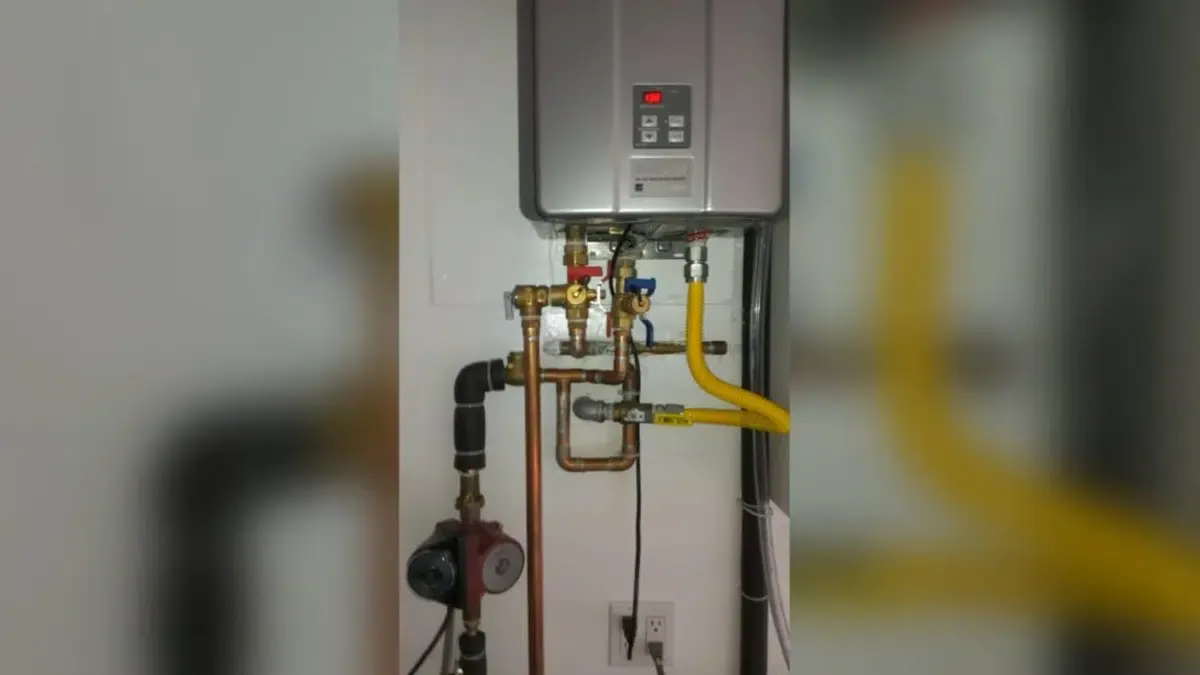
Flush and descale: the upkeep a tankless unit needs
Scale is the main enemy of a tankless heater, because a thin layer of mineral on the heat exchanger changes how well it heats. A flush removes it.
- Isolate. The gas and power are turned off and the unit is closed off with its service valves.
- Circulate. A pump pushes a descaling solution through the heat exchanger for the time the maker recommends.
- Rinse. Clean water is run through until it is clear, and the inlet filter is cleaned.
- Restart and test. Valves are reopened, the unit is restarted and the temperature and flow are checked.
Scale builds at a pace set by the water coming into the house. The supplier reports hardness for the water it delivers, and the water softener page explains how a softener changes the picture.
Installing a tankless unit: gas, vent and power
Installation is a bigger job than a tank swap, because the unit needs a larger gas supply, a sealed vent and, usually, a power outlet. The plumber measures the gas line, finds a vent path and decides whether the unit mounts on an interior or exterior wall.
- Gas: the pipe size from the meter to the unit has to deliver enough for peak demand.
- Vent: stainless or plastic vent pipe that meets the maker's rules for length and clearances.
- Condensate: high-efficiency units drain acidic condensate that needs a neutralizer and a drain.
- Water: isolation valves on both sides make later flushing possible.
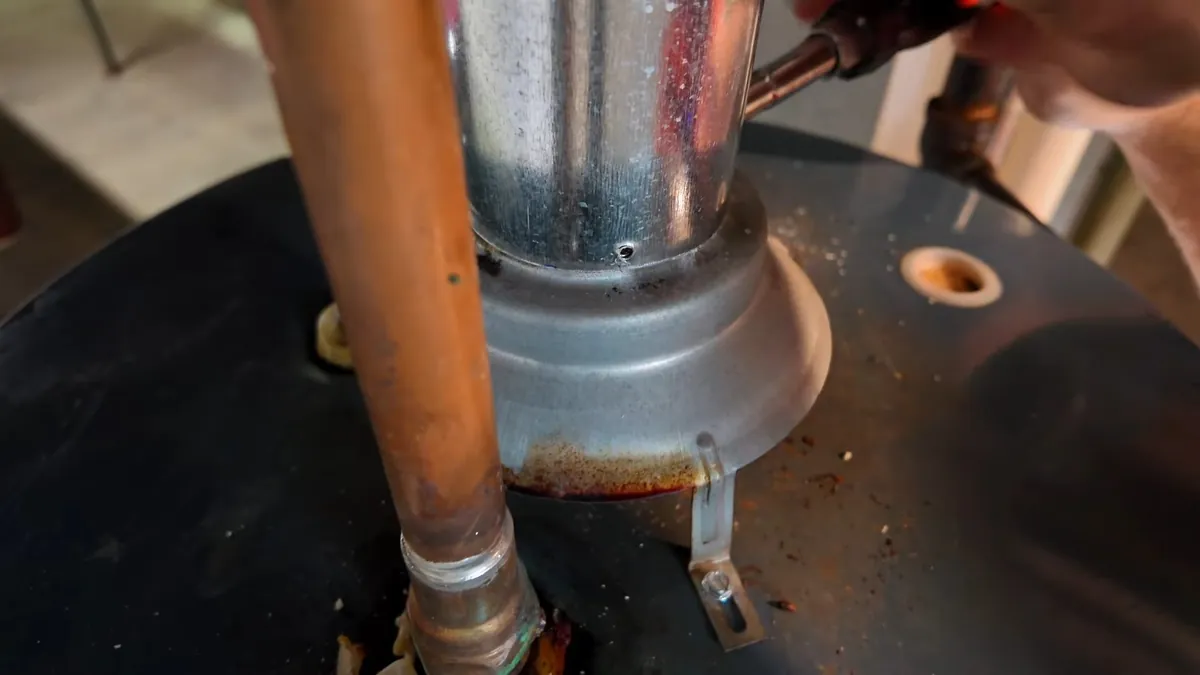
If the existing gas line is too small, the gas line page describes sizing and new runs. Colorado treats a water heater swap as permitted plumbing work, according to a state board bulletin from December 2025.
Switching from a tank to a tankless unit
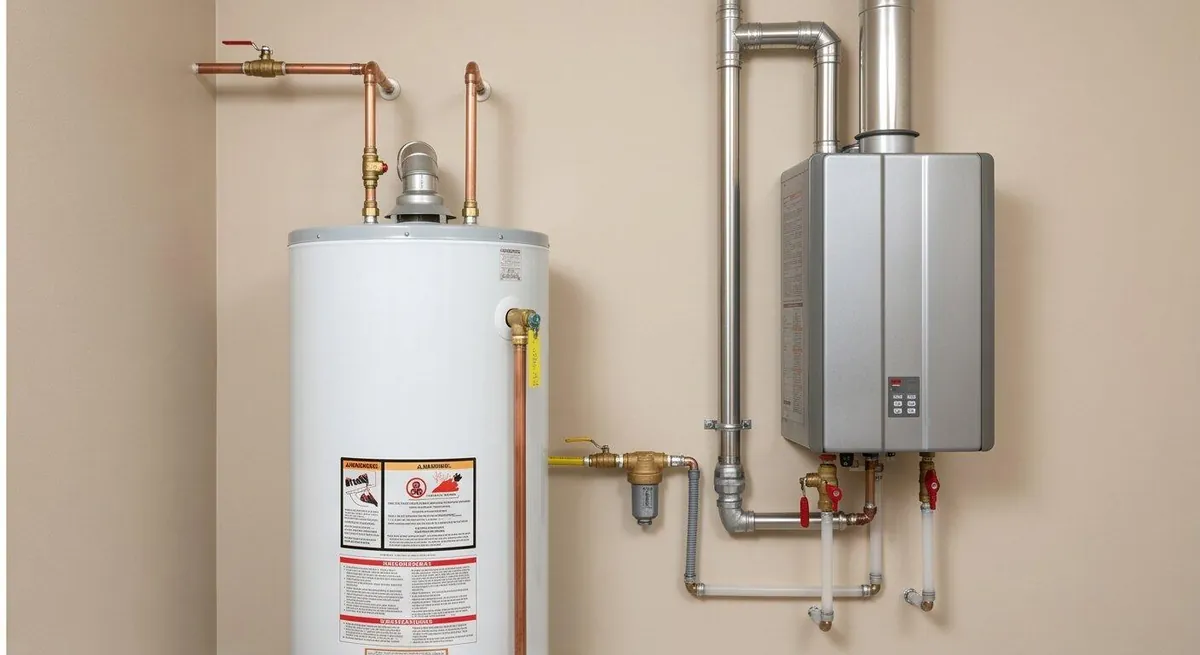
Converting from a tank leaves old piping behind. The tank usually sits on a small footprint, and a tankless unit goes on a wall, so the plumber changes the water connections, adds the vent and sizes the gas line before removing the tank.
Compare it with a like-for-like tank before deciding. The tank replacement page covers that route, and a tank is often simpler when the gas line and vent cannot be changed easily.
Scale slowing the heater down?
Tankless water heater questions
Answers on flushing, setup and the tank-versus-tankless choice.
What does a tankless flush and descale do, and how often is it needed?
A flush circulates a descaling solution through the heat exchanger and then rinses it clean, which removes the mineral scale that forms when water is heated. Scale reduces flow, causes error codes and makes the unit work harder.
How often depends on how hard the water is, so check the supplier's water report and follow the maker's guidance. A softener upstream slows the buildup.
A neighbor has a tankless heater and I am considering one. What should I check first?
Start with the gas. Tankless units draw a larger burst of gas than a tank, so the pipe size and the meter capacity have to suit. Then check where the vent can run and whether the unit can be mounted on an exterior or interior wall.
Colorado treats water heater replacement as plumbing work that needs a licensed plumber and a permit, so factor that into the plan.
Is tankless better than a tank for my house?
Use this checklist: does the household need hot water at several places at the same time, is there room for the vent and the gas pipe, would a flush every year be done, and is the tank near the end of its life?
One caution: a tankless unit gives out of hot water if it is asked for more flow than it can heat, so it must be sized for your peak use.
Thinking about switching from a tank?
- Licensed and insured plumbers
- Same-day service when available
- 24/7 emergency dispatch